

How Long Does a Truck Bed Liner Last in Florida? Care, Durability & Lifespan
Florida is hard on truck beds. Intense year-round UV, high humidity, afternoon downpours, and salt air in coastal communities like Clearwater, St. Petersburg and Sarasota all work against the bed of a pickup and against whatever liner is protecting it. How long that protection lasts depends on three things: the type of liner, how well it was installed, and how it’s cared for.
This guide focuses on durability. It covers how long each type of bed liner typically lasts in Florida conditions, what shortens its life, and the simple care habits that keep it protecting your truck for years. If you’re still deciding between a spray-on liner, a drop-in liner or a bed mat, start with our truck bed liner options comparison, or see our spray-on bed liner installation page.
The CoaterZ Bedliner
CoaterZ bedliner, the best bedliner on the market, with a lifetime warranty.
CoaterZ bedliner is the spray-on bedliner we install at our Palm Harbor, Lutz and Sarasota shops. Like any professionally applied spray-on liner, it bonds directly to the properly prepared surface of the truck bed, so there’s no loose plastic insert to shift, rub against the factory paint, or trap dirt and moisture underneath. Our bed liners have a UV-resistant, textured finish built for Florida trucks, with custom texture options for work trucks and daily drivers. Ask us about the lifetime warranty details when you request a quote.
How Long Each Type of Bed Liner Lasts
Understanding how different bed liner options perform over years of use helps justify the investment and prevents premature failure or unexpected replacement costs.

Professional spray-in polyurethane liners typically last 10-15 years or longer with proper care, maintaining their protective properties and appearance throughout the truck’s ownership. The chemical bond with the metal surface prevents peeling or separation even under extreme conditions. UV inhibitors in quality formulations prevent fading and degradation from Florida’s intense sunlight.
Drop-in plastic liners physically wear out faster, with expected lifespans of 5-8 years depending on usage intensity. The plastic becomes brittle from UV exposure, developing cracks that compromise protection. Repeated impacts from heavy tools or equipment create permanent dents and deformation. More concerning is the hidden corrosion damage occurring underneath—even though the drop-in liner appears intact, the truck bed beneath may require costly repairs.
Rubber mats generally last 3-6 years before the material degrades noticeably from sun exposure, chemical contact, and physical wear. Premium mats with UV protection and reinforced construction extend toward the upper end of that range. Unlike permanent liners, replacing worn rubber mats is straightforward and requires minimal investment.
DIY roll-on coatings typically provide 3-5 years of protection when properly applied, though results vary widely based on application technique and product quality. Thin spots wear through faster, and adhesion failures may occur if surface preparation was inadequate. Touch-up applications can extend service life but rarely restore the original appearance.
Treat these ranges as general guidelines, not guarantees. Real-world lifespan depends on how hard the truck works, where it’s parked, how close it lives to saltwater, and, above all, how well the liner was installed and maintained.
What Florida Conditions Do to Bed Liners
West Central Florida’s climate presents unique challenges for truck bed protection, including high humidity, salt air exposure in coastal areas, intense UV radiation, and temperature extremes that test material durability.

Spray-in polyurethane liners excel in these conditions. The seamless application eliminates moisture intrusion points, while the chemical composition resists salt corrosion, UV degradation, and temperature fluctuations. Truck owners in coastal communities like Venice, Englewood, and North Port benefit from this comprehensive environmental protection. The textured surface also sheds water efficiently, preventing standing moisture that accelerates rust formation.
Drop-in plastic liners perform poorly in humid coastal environments unless meticulously maintained. The gap between liner and bed creates an ideal environment for moisture accumulation, particularly after rain or when hauling wet materials. Salt spray—common within several miles of the Gulf Coast—compounds this problem, accelerating corrosion underneath the liner. Truck owners who choose drop-in liners must regularly remove them for inspection and cleaning, especially if operating near Tarpon Springs, Safety Harbor, or other waterfront areas.
Rubber mats handle Florida’s climate reasonably well when properly designed with drainage features. Quality mats allow water to channel away from the bed surface rather than trapping it underneath. The rubber material itself resists salt corrosion and doesn’t promote rust formation. However, UV exposure gradually hardens and cracks the rubber, eventually requiring replacement. Truck owners should inspect rubber mats periodically and replace them at the first signs of deterioration.
DIY roll-on coatings provide adequate environmental protection when properly applied with complete coverage. Thin spots or missed areas allow moisture penetration that undermines the entire protective layer. Florida’s intense UV radiation also degrades improperly formulated coatings faster than professional-grade materials with superior UV inhibitors.
Why Installation Quality Decides Lifespan
A spray-on liner is only as durable as the bond beneath it. Most early failures, such as peeling edges, thin spots that wear through, or rust spreading under the coating, trace back to preparation and application rather than the liner material itself.
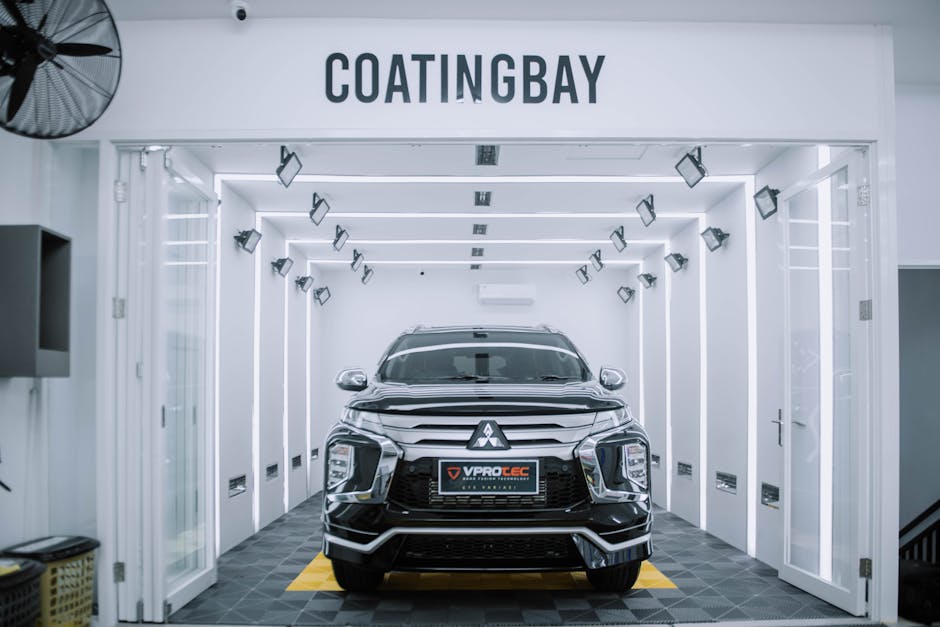
Professional spray-in bed liner installation at CoaterZ locations throughout Tampa Bay, Sarasota-Bradenton, and West Central Florida ensures proper surface preparation, optimal material application, and correct curing conditions. Our technicians use industrial spray equipment that creates consistent texture and thickness impossible to achieve with DIY methods. We carefully mask tailgates, rails, and surrounding truck surfaces to deliver clean, professional results.
The installation process begins with thorough cleaning to remove all contaminants, followed by surface abrading that creates ideal mechanical bonding. We inspect for existing rust or damage that requires treatment before liner application. The polyurethane is mixed precisely according to manufacturer specifications and sprayed in controlled environmental conditions that ensure proper curing.
Professional installation typically requires 4-6 hours including preparation, application, and initial curing. We recommend leaving trucks overnight for complete curing before use. This careful process ensures the liner bonds permanently to the bed surface and achieves maximum durability.
DIY roll-on coatings show the difference most clearly. Without professional preparation, application inconsistencies often leave thin spots or poor coverage in hard-to-reach corners, and those areas wear through first. That’s why DIY coatings typically last only a few years, while a properly installed professional spray-on liner can protect the bed for the life of the truck.
Maintenance and Care for Extended Lifespan
Proper maintenance maximizes bed liner longevity and preserves protective performance regardless of which option you choose.
Spray-in polyurethane liners require minimal maintenance—regular cleaning with soap and water removes dirt and debris that might cause abrasion. Avoid harsh chemicals or pressure washers exceeding 1500 PSI, which can damage the textured surface over time. Periodic inspection identifies any damaged areas requiring touch-up, though properly installed liners rarely need repairs. Some truck owners apply UV protectant annually to preserve appearance, though quality formulations include built-in UV resistance.
Drop-in plastic liners demand regular removal for inspection and cleaning underneath. Every 3-6 months, lift the liner completely and clean both the liner interior and truck bed surface, allowing thorough drying before reinstallation. This prevents moisture accumulation and catches early corrosion before it becomes severe. Apply rust-preventive coatings to the factory bed if operating in high-corrosion environments. Clean the liner itself with automotive soap and inspect for cracks requiring replacement.
Rubber mats need regular cleaning to prevent debris accumulation that causes premature wear. Remove mats monthly to clean underneath and inspect the bed surface. Allow both mat and bed to dry completely before reinstalling. Clean the rubber mat itself with mild detergent and water, avoiding petroleum-based cleaners that degrade rubber. Apply rubber protectant every few months to prevent UV damage and extend service life.
DIY roll-on coatings benefit from gentle cleaning and periodic inspection for thin spots or damage. Touch up problem areas promptly to prevent moisture intrusion that undermines the protective layer. Some products recommend annual recoating to maintain thickness and protection, though this adds to long-term costs.
Regardless of liner type, avoid dragging sharp or abrasive objects across the bed surface, secure loads properly to prevent shifting damage, and remove corrosive materials like fertilizers or pool chemicals promptly after transport.
Signs Your Bed Liner Needs Attention
A quick look at the bed once or twice a year catches small problems before they shorten the liner’s life or let rust start. Watch for:
- Spray-on liners: gouges or cuts that reach bare metal. Damage that penetrates through the liner can allow rust to form, so have it repaired promptly. Spray-on liners can be sectionally repaired by a professional installer.
- Drop-in liners: cracks, brittleness from UV exposure, permanent dents, or any moisture, dirt or rust on the bed beneath the liner.
- Rubber mats: hardening, cracking or deformation, and trapped debris or moisture underneath.
- DIY coatings: thin spots, worn-through areas, or edges that are lifting.
- Any truck near the coast: salt buildup around bed bolts, seams and drain holes, where rust often starts before owners notice it.
Frequently Asked Questions
Can I install a spray-in bed liner over an existing drop-in liner?
No, spray-in liners require application directly to the metal bed surface for proper bonding. Any existing liner or coating must be completely removed, and the bed surface properly prepared before spray-in application. Attempting to spray over existing liners results in poor adhesion and premature failure.
How long before I can use my truck after spray-in bed liner installation?
Most professional polyurethane bed liners cure sufficiently for light use within 24 hours, though full curing takes 3-7 days depending on temperature and humidity. CoaterZ recommends waiting at least 24 hours before loading cargo and 48-72 hours before hauling heavy or abrasive materials. Avoid washing or exposing the liner to excessive moisture during the initial curing period.
Will a bed liner prevent all rust and corrosion?
Quality spray-in bed liners provide excellent rust prevention by sealing the metal surface from moisture and oxygen. However, damage that penetrates through the liner to bare metal can allow rust formation if not promptly repaired. Drop-in liners may actually promote rust by trapping moisture against the bed surface. Proper installation and maintenance are essential for corrosion prevention with any liner type.
Can bed liners be removed if I want to sell my truck?
Drop-in liners and rubber mats remove easily without affecting the truck bed. Spray-in polyurethane liners are permanent and extremely difficult to remove without damaging the bed surface—attempting removal typically requires professional media blasting and refinishing. However, quality spray-in liners generally enhance rather than diminish resale value, so removal is rarely necessary or beneficial.
Do bed liners affect truck bed dimensions or accessory fitment?
Spray-in liners add approximately 1/8 to 1/4 inch to all bed surfaces, which can affect precise fitment of some accessories like tonneau covers, bed caps, or drawer systems. Inform accessory installers about the bed liner so they can adjust accordingly. Drop-in liners and rubber mats typically don’t interfere with accessory installation since they can be trimmed or removed as needed.
What’s the best bed liner for commercial trucks and fleet vehicles?
Professional spray-in polyurethane liners deliver the best performance for commercial applications due to superior durability, comprehensive protection, and professional appearance. The higher upfront cost is offset by extended lifespan, minimal maintenance, and reduced bed repair costs. Fleet managers throughout Tampa, St. Petersburg, and Sarasota increasingly choose spray-in liners for long-term value and reduced downtime.
Conclusion: Make Your Bed Liner Last
In West Central Florida, sun, humidity and salt never take a day off, and your truck bed’s protection has to keep up. A professionally installed spray-on liner offers the longest-lasting protection in these conditions, and simple habits like regular rinsing, prompt cleanup of corrosive loads and periodic inspection keep any liner working longer.
Spray-in bed liners at our CoaterZ locations
CoaterZ offers spray-in bed liners at all three of our Florida shops. Choose the location closest to you:
CoaterZ bedliner, the best bedliner on the market, with a lifetime warranty, is installed at our shops in Palm Harbor, Lutz and Sarasota. Learn more about our spray-on bed liners and request a quote, or compare your choices in our guide to truck bed liner options: spray-on vs. drop-in vs. bed mats. To protect the rest of your pickup, see whether ceramic coating is worth it for trucks.