

Maintaining Your Ceramic Coated Car in 2026
Ceramic coating has revolutionized automotive paint protection, offering unparalleled gloss, hydrophobic properties, and chemical resistance. However, many vehicle owners invest in professional ceramic coating only to let maintenance slide, compromising the longevity and performance of their investment. Whether you’re driving through the humid streets of Tampa, navigating salt-laden roads along the Gulf Coast, or dealing with intense UV exposure in Sarasota, proper maintenance of your ceramic coated car is essential to preserving its showroom appearance.
At CoaterZ, we’ve protected thousands of vehicles across West Central Florida, from Teslas in Clearwater to work trucks in Brandon, and we understand that the coating application is only the beginning. The real value comes from consistent, informed maintenance practices that extend the life of your coating and keep your vehicle looking immaculate year after year. This comprehensive guide will walk you through everything you need to know about maintaining a ceramic coated car in 2026.
Understanding Ceramic Coating Before Maintenance
Before diving into maintenance protocols, it’s important to understand what ceramic coating actually is and how it functions. Ceramic coatings are liquid polymers that chemically bond with your vehicle’s factory paint, creating a permanent or semi-permanent layer of protection. Unlike traditional waxes or sealants that sit on top of the paint, ceramic coatings integrate with the clear coat at a molecular level.

The primary benefits of ceramic coating for cars include:
- Hydrophobic properties that cause water to bead and sheet off surfaces
- Enhanced resistance to UV damage, oxidation, and chemical etching
- Superior gloss and depth of color
- Easier cleaning and reduced contamination bonding
- Protection against minor scratches and swirl marks
However, ceramic coatings are not invincible. They require appropriate care to maintain their protective properties and aesthetic benefits. In Florida’s challenging environment—with bird droppings, tree sap, salt air in coastal areas like Siesta Key and Anna Maria Island, and relentless sun exposure—proper maintenance becomes even more critical.
The First 30 Days: Curing and Initial Care
The curing period immediately following ceramic coating application is crucial. Most professional-grade ceramic coatings require 7-14 days to fully cure, though some advanced formulations may cure faster. During this period, CoaterZ recommends specific precautions to ensure optimal bonding:
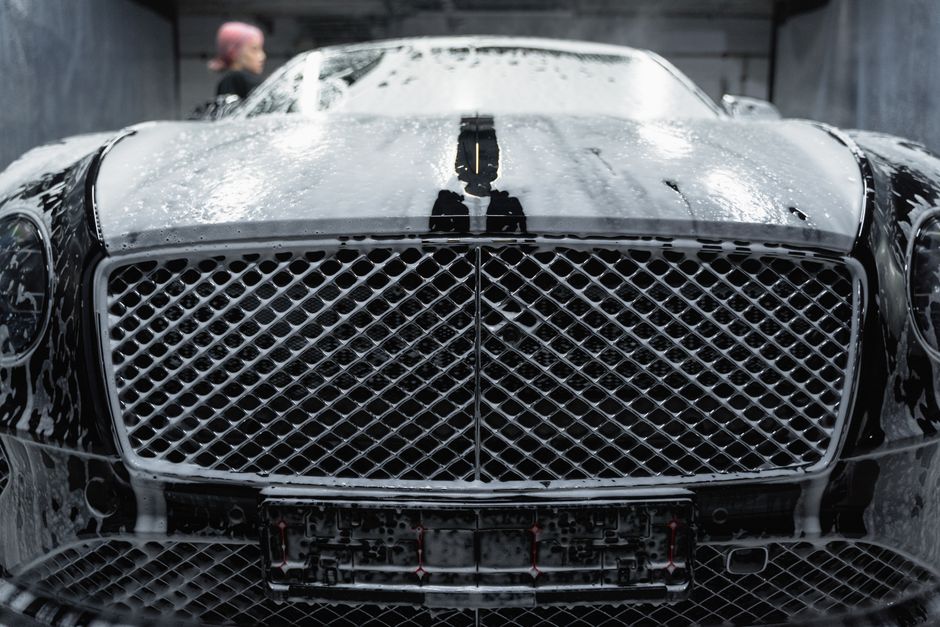
Avoid water contact: Keep your vehicle dry for at least 7 days following application. This means no washing, no rain exposure if possible, and definitely no automatic car washes. In West Central Florida’s unpredictable weather, garage parking becomes essential during this period.
Skip the touchups: Resist the temptation to wipe away dust or minor contaminants. Even gentle touching can disrupt the curing process. If your vehicle gets dirty during the curing period, allow it to be—patience here pays dividends in coating longevity.
Avoid parking under trees: Bird droppings, tree sap, and other organic contaminants can be particularly problematic during curing. These materials contain acids that can potentially etch into an incompletely cured coating. This is especially relevant for those in tree-heavy areas of Hillsborough County or Pinellas County neighborhoods with mature canopies.
Keep contaminants at bay: Don’t apply waxes, sealants, or other protectants. The ceramic coating provides all the protection needed, and additional products can interfere with proper curing or create unwanted layering issues.
Washing Your Ceramic Coated Vehicle Properly
Once fully cured, regular washing becomes the cornerstone of ceramic coating maintenance. The good news is that ceramic coatings make washing significantly easier than maintaining uncoated paint. However, proper technique remains essential to avoid damaging the coating or introducing swirl marks.

The Two-Bucket Method
CoaterZ always recommends the two-bucket wash method for ceramic coated vehicles. Fill one bucket with quality pH-neutral car shampoo mixed with water, and the second with clean rinse water. This prevents contaminated wash media from scratching your paint.
- Use a dedicated wash mitt or microfiber towel—never sponges or brushes that can trap abrasive particles
- Work from top to bottom, as the lower panels accumulate the most contamination
- Rinse your mitt frequently in the rinse bucket before reloading with soap
- Never let soap dry on the surface, especially in Florida’s heat
Washing Frequency
In Florida’s environment, washing frequency depends on exposure. Vehicles parked near the coast in areas like Palmetto, Venice, or Longboat Key may need weekly washing due to salt accumulation. Daily drivers in Tampa or St. Petersburg typically benefit from bi-weekly washing. Show cars or garage-kept vehicles may require less frequent cleaning, though monthly washing helps maintain the coating’s hydrophobic properties.
Contactless Washing Options
While hand washing is ideal, touchless or contactless car washes can be acceptable for ceramic coated vehicles—but with caveats. Avoid automatic washes with brushes or cloth strips, as these can introduce swirl marks. High-quality touchless washes use only water pressure and pH-balanced chemicals, making them safer alternatives when hand washing isn’t feasible. However, residents of Land O’ Lakes, Wesley Chapel, and Lutz should be selective about which facilities they use, as not all touchless washes maintain proper chemical balance.
Drying Techniques
Proper drying is just as important as proper washing. Ceramic coatings’ hydrophobic properties make drying easier, but air drying can leave water spots, especially with Florida’s mineral-rich water. Use a clean, high-quality microfiber drying towel or a filtered air blower. For best results, use a blower to remove water from crevices and panel gaps, then follow up with a microfiber towel to collect remaining moisture.
Decontamination and Deep Cleaning
Even with regular washing, your ceramic coated vehicle will accumulate bonded contaminants over time. Iron fallout from brake dust, industrial fallout, tar, and embedded minerals require periodic decontamination to maintain the coating’s performance and appearance.
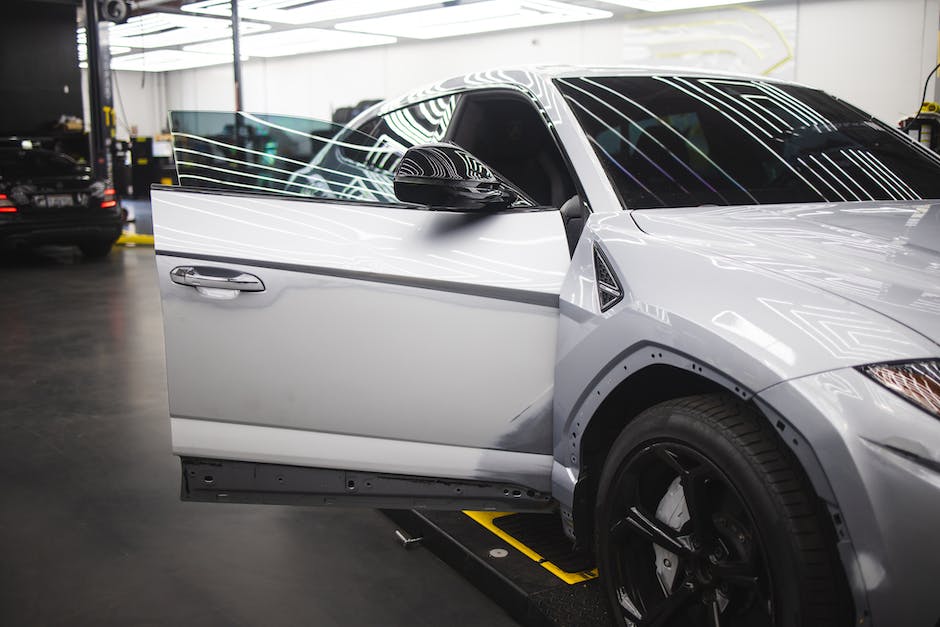
Iron decontamination: Every 3-6 months, use a pH-neutral iron remover to dissolve ferrous contamination. This is especially important for vehicles in urban areas like Tampa and Brandon, where brake dust accumulation is higher. Spray the product on cool surfaces, allow it to dwell per manufacturer instructions (it will turn purple as it reacts with iron), then rinse thoroughly.
Clay bar treatment: Annual or bi-annual clay bar treatments remove embedded contamination that washing cannot eliminate. Use a clay lubricant and high-quality clay bar or synthetic clay mitt. Work in small sections, using minimal pressure—ceramic coatings require less aggressive decontamination than uncoated paint.
Tar and bug removal: Florida drivers, particularly those traveling between Sarasota and North Port or along coastal routes to Englewood, encounter abundant bug splatter and occasional tar. Remove these promptly using dedicated bug and tar removers. Don’t let these contaminants sit for days, as they can etch even through ceramic coatings if left long enough in intense heat.
Maintaining Hydrophobic Properties
One of ceramic coating’s signature features is its hydrophobic behavior—water beading and sheeting off the surface. Over time, you may notice this effect diminishing. This doesn’t necessarily mean the coating is failing; it often indicates surface contamination or the need for a maintenance boost.
Ceramic boost sprays: These products, sometimes called ceramic spray sealants or toppers, can restore hydrophobic properties between professional maintenance appointments. They’re not replacements for the base coating but supplements that enhance performance. Apply every 3-6 months after a thorough wash and decontamination. CoaterZ offers guidance on compatible products that won’t interfere with our professional coatings.
Environmental factors: Florida’s environment challenges hydrophobic properties. Hard water in areas like Pasco County, salt spray in coastal regions, and constant pollen can all diminish water beading. Don’t mistake reduced beading for coating failure—often, a thorough decontamination restores these properties completely.
What to Avoid With Ceramic Coatings
Ceramic coatings are durable, but certain products and practices can damage them or reduce their effectiveness:
- Automatic car washes: Brush-based systems can create swirl marks and micro-marring, negating one of the coating’s primary benefits
- Harsh chemicals: Avoid wheel cleaners, degreasers, or alkaline cleaners with pH levels above 11 or acidic products below pH 3 on coated surfaces
- Traditional waxes: These create layering issues and prevent the coating from performing as designed
- Abrasive polishes: Unless applied by professionals like those at CoaterZ, abrasive compounds can thin or remove ceramic coatings
- Rough towels or applicators: Always use clean, soft microfiber products specifically designed for automotive use
Addressing Common Issues and Damage
Despite best efforts, issues occasionally arise with ceramic coated vehicles. Understanding how to address these problems helps preserve your coating investment.
Water Spots
Florida’s mineral-heavy water creates stubborn water spots, especially in areas like Clearwater, Dunedin, and Tarpon Springs. Fresh water spots often rinse away easily, but dried mineral deposits require intervention. Use a dedicated water spot remover designed for ceramic coatings, or create a diluted white vinegar solution (50/50 with distilled water). Apply, allow brief dwell time, then rinse thoroughly. For severe etching, professional polishing and coating reapplication may be necessary.
Bird Droppings and Tree Sap
These organic contaminants are highly acidic and can etch ceramic coatings if left to bake in Florida’s sun. Remove them immediately—carry quick detailer spray and microfiber towels in your vehicle. Spray generously, let the product soften the contaminant, then gently wipe away. Never scrape or use excessive force. For residents parking under trees in areas like Safety Harbor or Oldsmar, consider covered parking or more frequent inspections.
Scratches and Swirl Marks
Ceramic coatings offer scratch resistance but aren’t scratch-proof. Minor imperfections may diminish over time as the coating’s self-leveling properties work, but deeper scratches require professional attention. CoaterZ can assess damage and determine whether spot correction or full recoating is necessary. Often, strategic polishing and spot reapplication restore the finish completely.
Professional Maintenance and Inspection
While DIY maintenance handles day-to-day care, professional inspection and maintenance ensure long-term coating performance. CoaterZ recommends annual professional inspections for all ceramic coated vehicles, regardless of product grade or application quality.
During professional maintenance visits, technicians evaluate:
- Coating thickness and integrity
- Hydrophobic performance across all surfaces
- Presence of bonded contamination requiring professional removal
- Paint condition beneath the coating
- Need for boost applications or spot recoating
For vehicles with multiple protection layers—such as paint protection film on high-impact areas, window tint for UV protection, or undercoating for chassis protection—comprehensive inspections ensure all systems work together optimally. Many of our customers throughout Manatee County and Sarasota County combine ceramic coating with PPF on vulnerable areas like front bumpers and hood leading edges, creating a comprehensive protection system that requires coordinated maintenance.
Seasonal Considerations for Florida
Florida’s climate presents unique seasonal challenges for ceramic coated vehicles. While the state doesn’t experience traditional four-season variations, distinct weather patterns affect maintenance requirements.
Hurricane season (June-November): Prepare coated vehicles by ensuring optimal hydrophobic properties before storms. After hurricanes or tropical systems, wash promptly to remove salt spray, organic debris, and other contaminants. Vehicles in Apollo Beach, Riverview, and Ruskin near Tampa Bay are particularly vulnerable to salt contamination during storm surge events.
Summer intensity (May-September): Extreme heat and UV exposure test ceramic coatings. Park in shade when possible, and wash during cooler morning or evening hours. Never wash a hot vehicle, as rapid temperature changes can affect coating performance. The intense sun in areas like Parrish and Lakewood Ranch makes covered parking especially valuable.
Dry season (November-April): Lower humidity and less frequent rain mean less regular washing for some vehicles, but don’t neglect maintenance. Pollen accumulation can be significant in Trinity and Odessa areas, requiring more frequent washing during spring months despite lower rainfall.
Extending Coating Lifespan
Professional-grade ceramic coatings typically last 2-7 years depending on product quality, application precision, and maintenance consistency. CoaterZ installations often exceed manufacturer estimates when customers follow recommended maintenance protocols.
To maximize coating lifespan:
- Wash regularly using proper technique and pH-neutral products
- Address contamination promptly—never let bird droppings, bugs, or sap sit
- Use ceramic boost sprays or toppers every 3-6 months
- Park in covered areas when possible to reduce UV and environmental exposure
- Schedule annual professional inspections and maintenance
- Avoid automated car washes and harsh chemicals
- Document your maintenance—tracking helps identify patterns and optimize routines
Customers who maintain their coatings properly often report excellent performance well beyond the expected lifespan. A well-maintained 5-year coating can outperform a neglected 2-year coating in both protection and appearance.
Integrating Ceramic Coating Maintenance With Other Protection Systems
Many vehicles feature multiple protection systems working together. Understanding how ceramic coating maintenance integrates with other protective measures ensures comprehensive vehicle care.
Paint Protection Film: Vehicles with PPF on high-impact areas require compatible cleaning products. Most modern PPF works seamlessly with ceramic coatings—in fact, many customers apply ceramic coating over PPF for enhanced gloss and easier cleaning. Maintain both systems using the same pH-neutral products and gentle techniques.
Window Tint: Ceramic window tint offers UV protection and heat rejection for interiors. When washing windows, use ammonia-free cleaners and soft microfiber towels. The same gentle approach that preserves ceramic coating protects tint films from degradation.
Undercoating and Bed Liners: Trucks with protective undercoating or bed liners benefit from regular underbody washing, especially after beach trips or off-road adventures. This is particularly important for vehicles in Ellenton or Palmetto used for fishing or boating access, where salt exposure is significant.
Common Myths About Ceramic Coating Maintenance
Misinformation about ceramic coating care persists despite widespread adoption. Let’s clarify common misconceptions:
Myth: Ceramic coated cars never need washing. False. While coatings make washing easier and less frequent, they don’t eliminate the need for cleaning. Contamination still occurs and must be removed to maintain coating performance.
Myth: Any car soap works on ceramic coatings. Not quite. While ceramic coatings are chemically resistant, pH-neutral soaps formulated for coated vehicles provide optimal cleaning without degrading the coating over time. Harsh detergents can strip protective properties.
Myth: Diminished water beading means the coating has failed. Usually not. Reduced hydrophobic performance typically indicates surface contamination, not coating failure. Proper decontamination almost always restores beading behavior.
Myth: Ceramic coatings eliminate the need for paint correction. Incorrect. Ceramic coatings protect against future damage but don’t repair existing imperfections. Proper paint correction before coating application is essential for optimal results.
Conclusion
Maintaining a ceramic coated car requires commitment, but the rewards—sustained protection, easier cleaning, and stunning appearance—make the effort worthwhile. Whether you’re navigating the salt air of Gulf Coast communities, dealing with intense UV exposure throughout West Central Florida, or simply want your investment vehicle to maintain its value, proper ceramic coating maintenance delivers results.
At CoaterZ, we’ve built our reputation on not just applying industry-leading ceramic coatings but on educating our customers about proper maintenance. From our locations serving Tampa Bay, Sarasota-Bradenton, and surrounding areas, we’ve seen firsthand how long does ceramic coating last when maintenance discipline separates vehicles that look showroom-fresh for years from those where coating performance declines prematurely.
The key takeaways for successful ceramic coating maintenance include regular washing with proper technique, prompt contamination removal, periodic decontamination, appropriate use of ceramic boost products, and annual professional inspections. Combined with smart parking choices and awareness of Florida’s unique environmental challenges, these practices ensure your ceramic coating performs as intended throughout its lifespan.
If you’re considering ceramic coating for your vehicle or need professional maintenance for an existing coating, CoaterZ offers comprehensive solutions tailored to Florida’s demanding environment. Our experienced technicians serve customers throughout Pinellas County, Hillsborough County, Pasco County, Manatee County, and Sarasota County with expertise in ceramic coatings, paint protection film, window tint, and complete vehicle protection systems. We work with everyone from business owners protecting fleet vehicles to car enthusiasts maintaining show cars, law enforcement agencies, and first responders who depend on their vehicles daily.
Ready to protect your investment or schedule maintenance for your ceramic coated vehicle? Contact CoaterZ today for a personalized consultation and quote. Visit one of our convenient Florida locations or reach out online to discover how professional ceramic coating and expert maintenance can keep your vehicle looking exceptional for years to come.