

A boat wrap is not automatically cheaper than paint in Florida: compare quotes for the same hull area, surface condition, and finished result before choosing. Surface repairs, old-film removal, and access work belong in that comparison, not outside it. For your 2026 project, choose a wrap for an appearance change over a suitable surface; choose refinishing when the existing finish needs restoration rather than concealment.
- Is it cheaper to wrap or paint a boat? Compare matching preparation, coverage, and removal scopes before deciding.
- Boat wraps change appearance; they do not repair damaged gelcoat or failing paint.
- Marine paint needs a compatible preparation and coating system, not just a color selection.
- CoaterZ serves Gulf Coast boat owners considering marine PPF and detailing; confirm the treatment suits your specific surface.
Is it cheaper to wrap or paint a boat in Florida?
The cheaper option is the one with the lower complete project scope—not simply the lower installation quote. Compare the same surfaces and repair requirements, then include removal and maintenance obligations. A hull-side wrap and a complete topside repaint are different jobs, even when both proposals describe a boat makeover.
For protection rather than a color change, CoaterZ provides marine PPF and detailing services. Keep that decision separate: transparent protection, decorative vinyl, and paint solve different problems.
| Option | Best for | Main advantage | Main limitation | What the quote must clarify |
|---|---|---|---|---|
| Decorative vinyl wrap | Changing appearance over a suitable existing finish | Changes color or graphics without repainting the covered surface | Does not restore cracked gelcoat, loose paint, or structural damage | Surface preparation, coverage boundaries, seams, removal |
| Marine paint | Refinishing a surface that needs a new coating system | Provides a refinishing route after appropriate repairs and preparation | Requires substrate-specific preparation and application | Repairs, primers, finish system, access, cure requirements |
| Marine PPF | Protecting a suitable existing finish without changing its color | Adds a protective film over approved surfaces | Is not a substitute for refinishing or bottom paint | Film compatibility, approved exposure, coverage, care |
Treat this as a selection guide, not a durability ranking. Performance depends on the actual material, substrate, installation, and use conditions.
Why this matters on Florida's Gulf Coast
Sun exposure, salt deposits, dock contact, and cleaning all belong in a boat-finish decision. They do not make every protective treatment interchangeable. A finish intended for exposed topsides needs a different suitability check from a system used below the waterline.
For a boat kept in Palm Harbor, Lutz, Sarasota, or elsewhere along the Gulf Coast, describe its actual storage and use. Tell the installer whether it stays afloat, rests on a lift, travels on a trailer, or sits under cover. A 2026 quote should reflect those conditions rather than a generic description of Florida boating.
Choose the surface system first and compare the workmanship scope second. Selecting by color alone leaves the important compatibility questions unanswered.
Boat wrapping: best for an appearance change
Decorative vinyl belongs on a surface that meets the film manufacturer's preparation and adhesion requirements. It changes what you see; it does not restore what is underneath. Cracks, loose coatings, contamination, and damaged gelcoat need assessment before installation.
Ask where the wrap will end. Hull sides, the transom, curves around fittings, and interrupted surfaces create different installation details. A proposal should identify exclusions instead of leaving you to discover them after the boat arrives.
Removal also matters. An older repaint or weak underlying finish needs particular attention because film removal can disturb poorly bonded coatings. Do not accept a promise of damage-free removal without understanding the condition and history of the surface.
Choose a wrap when you want a cosmetic change and the existing finish is suitable. Do not use vinyl to hide a repair problem or assume a decorative film is approved for continuous immersion.
Marine painting: best for a refinishing project
Painting is the relevant comparison when your goal includes restoring a deteriorated finish. The specification needs to address the substrate—such as gelcoat, an existing painted surface, or metal—and the coating manufacturer's preparation requirements.
Separate cosmetic refinishing from structural repair. Applying paint does not repair a damaged laminate, eliminate an unresolved moisture problem, or correct corrosion beneath a coating. Those conditions need their own assessment and treatment before the finish goes on.
Ask the painter to identify the preparation, primer, and finish system in writing. Include the treatment of fittings and adjacent surfaces, plus the conditions required before the boat returns to service. Different coating systems have different instructions; a generic completion date is not a cure specification.
Choose paint when the project calls for refinishing, not merely covering a sound surface. Its limitation is the preparation and application work required to create a suitable foundation.
Why boat wrap and paint quotes vary
Compare these factors before deciding which proposal covers your needs:
- Surface condition: Oxidation, previous repairs, failing coatings, and contamination change the preparation required. Ask which defects the scope corrects and which remain.
- Coverage boundaries: Hull sides alone are not equivalent to hull sides, transom, decks, and fittings. Mark the included areas on photographs.
- Access and handling: Clarify responsibility for hauling, blocking, transport, and access around the boat. Do not assume a finish quote includes marina services.
- Geometry and hardware: Curves, recesses, rails, fittings, and penetrations affect how the finish is applied and terminated. Ask what is removed, masked, or excluded.
- Material compatibility: The substrate, existing coating, exposure, and immersion conditions determine which systems are suitable. Automotive suitability does not establish marine suitability.
- Removal and aftercare: Include old-film removal, future removal instructions, approved cleaners, and repair procedures. These are part of ownership, even when they are separate work items.
A detailed quote does not need impressive language. It needs clear boundaries, compatible materials, and an explicit explanation of the work underneath the visible finish.
Compare your 2026 quotes in 3 sections
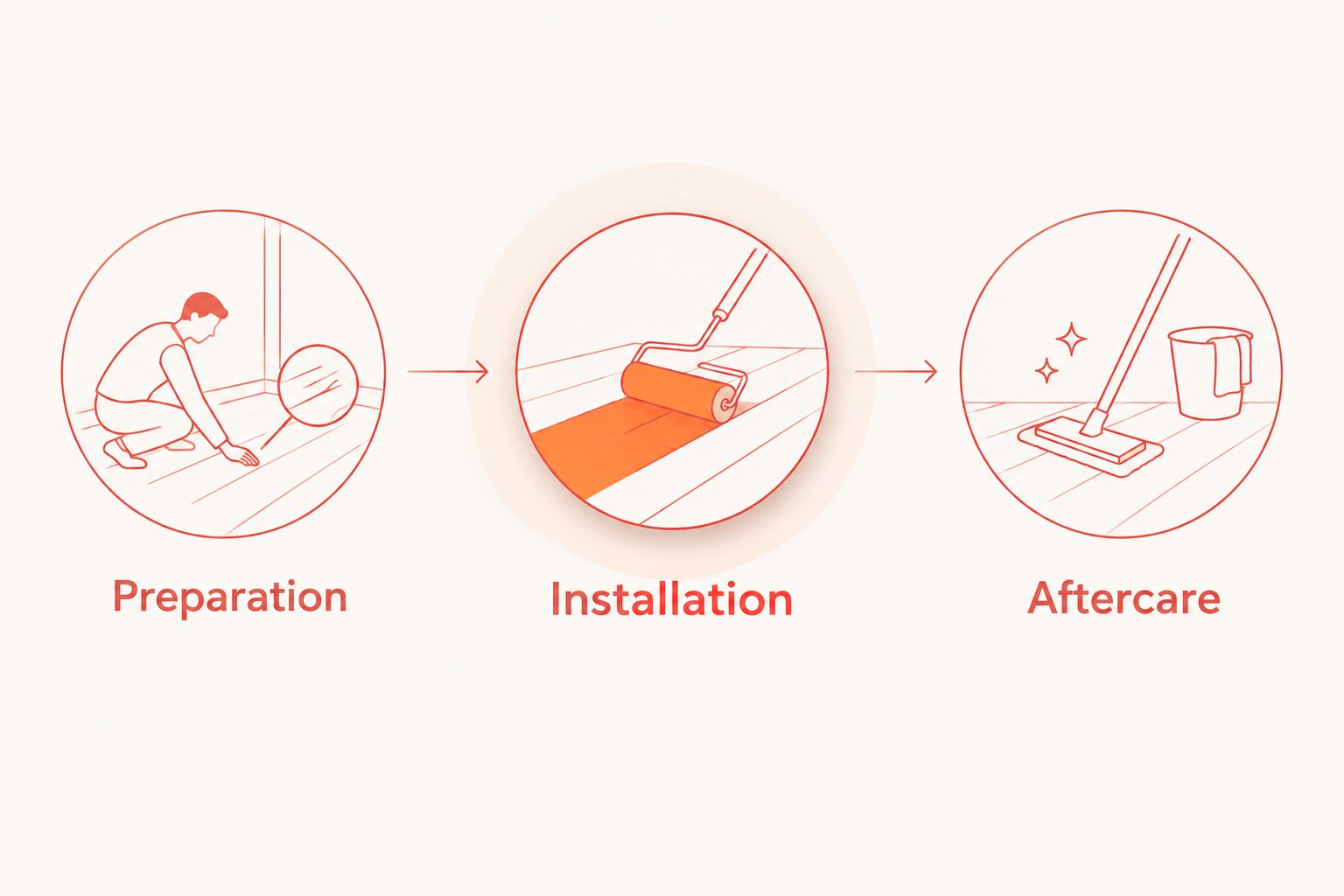
Give each provider the same photographs, surface history, and coverage request. Then ask for 3 quote sections: preparation, installation, and aftercare. These sections make omissions easier to identify without relying on an unsupported average.
- Preparation: Record inspection, cleaning, coating or film removal, repairs, and substrate preparation. State whether findings during preparation require approval before additional work begins.
- Installation: Identify the material or coating system, covered surfaces, exclusions, hardware handling, and finish boundaries. Ask how the provider documents acceptance of the prepared surface.
- Aftercare: Request cleaning instructions, return-to-service requirements, repair guidance, and removal conditions where applicable. Keep any written warranty tied to the named material and service rather than a verbal summary.
Review 2 written proposals side by side only after their coverage matches. If a wrap proposal excludes repairs that the paint proposal includes, ask for that difference to be separated. Otherwise, the comparison rewards the thinner scope rather than identifying the better decision.
Keep 1 written surface record with photographs, known repaint history, existing defects, and agreed exclusions. That record gives you a clear reference when approving preparation and inspecting the completed work.
Can you wrap a boat below the waterline?
Do not assume decorative vinyl is approved below the waterline. The exact film's technical instructions must permit the substrate and exposure, including continuous immersion where applicable.
Identify the boat's resting waterline and discuss loading, spray, and movement with the installer. An area that looks dry on a trailer does not necessarily remain dry in use. Request an explicit coverage boundary rather than interpreting a broad claim that a film is suitable for boats.
Bottom paint serves a different purpose from a decorative hull wrap. If your vessel needs an antifouling system, address that requirement separately with a qualified marine provider. A cosmetic change above the waterline does not settle the maintenance requirements below it.
Will a wrap hide damaged gelcoat or peeling paint?
A wrap does not repair damaged gelcoat or peeling paint. Adhesion depends on the underlying surface, and covering a defect does not make that foundation sound.
Ask the provider to distinguish superficial staining or oxidation from cracks, loose coatings, and damage requiring repair. Some appearance problems call for cleaning or correction; others require refinishing or more substantial work. Decide which condition you have before selecting the covering.
Reject a cosmetic shortcut that leaves an unresolved surface failure underneath. The correct sequence is assessment, necessary repair, preparation, and then the chosen finish.
Is marine PPF the same as a boat wrap?
Marine PPF is not the same as decorative boat-wrap vinyl. Paint protection film focuses on protecting a suitable existing finish; decorative vinyl focuses on changing appearance. Neither category name establishes that every product suits every marine surface.
CoaterZ is a fit for Gulf Coast boat owners seeking marine PPF and detailing rather than a cosmetic substitute for hull repair. Confirm the proposed material, coverage, and exposure limits before authorizing work. The limitation is straightforward: protective film does not replace repairs, refinishing, or an appropriate below-waterline system.
Ceramic coating is another separate decision. It does not provide a new paint finish or turn decorative vinyl into impact-protection film. The ceramic coating for boats guide explains that treatment category before you add it to a finish plan.
Protect the finish through correct maintenance
For your 2026 maintenance plan, start with the instructions for the exact installed system. Do not assume products approved for one painted surface are approved for a wrap, PPF, or coating. Keep those instructions with the installation record.
Remove salt and contamination using the prescribed washing method. Avoid abrasive pads and unapproved polishing compounds on films, and follow the manufacturer's restrictions around pressure washing and edges. Inspect areas exposed to dock lines, fenders, trailer contact, and repeated handling.
If an edge lifts or a finish develops damage, ask for a repair assessment rather than concealing it with another product. A coating applied over an unresolved defect does not correct the defect. Consistent care supports the chosen system; it does not extend a published service claim beyond its stated terms.
FAQ
Is it cheaper to wrap or paint a boat in Florida in 2026?
Neither option is automatically cheaper for every boat. Compare written proposals covering the same surfaces, repairs, preparation, access, and removal obligations before choosing.
Can I wrap a boat with peeling paint?
Peeling paint needs assessment and correction before wrapping. Film depends on a suitable underlying surface and does not repair a failing coating.
Can a boat wrap stay underwater?
Do not assume a decorative boat wrap is approved for continuous immersion. Check the exact film’s technical instructions and have the installer identify its permitted exposure and coverage boundaries.
Is painting better than wrapping an older boat?
Condition matters more than age alone. A boat requiring finish restoration needs a repair and refinishing assessment; a sound surface presents a different decision.
Does ceramic coating replace boat paint or a wrap?
Ceramic coating does not replace paint or a decorative wrap. It is a separate surface treatment whose suitability depends on the substrate and the specific coating instructions.
Does CoaterZ offer protection for boats?
CoaterZ provides marine PPF and detailing services for Gulf Coast boat owners. Confirm the proposed treatment’s surface compatibility, coverage, and care requirements before booking.
What should I ask before approving a boat finish quote?
Ask for preparation, installation, and aftercare to be documented separately. Confirm repairs, included surfaces, material identification, access responsibilities, and written exclusions.
One last thing
A change in appearance and a restoration are not the same purchase. Before approving your 2026 project, ask: will this work correct the existing surface, or cover it? That answer keeps a cosmetic wrap from being compared with a repair-and-refinish job and helps you choose protection only after the foundation is right. For decorative hull graphics, see custom boat wraps at CoaterZ.