
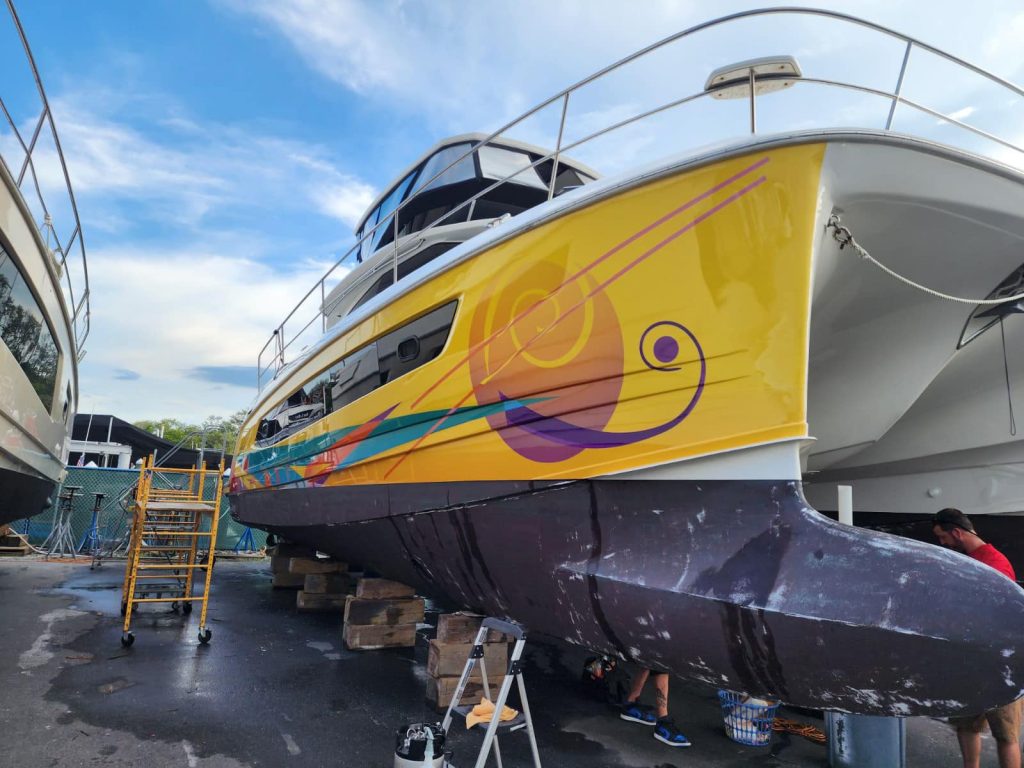
Maintaining the paint on your boat is more than just about keeping it looking great. It’s about protecting your investment from the harsh elements of the marine environment. Boats are constantly exposed to sun, saltwater, and various pollutants that can damage the paint, leading to costly repairs and a decrease in the boat’s overall value. Knowing how to maintain boat’s paint preserves the boat’s aesthetic appeal and extends the life of the paint, ensuring your boat remains in excellent condition for years.
The Basics of Boat Paint Maintenance
Importance of Rinsing After Every Use
Regular washing and cleaning is one of the most crucial aspects of maintaining your boat’s paint. After every use, especially in saltwater, it’s essential to rinse your boat thoroughly with fresh water. Saltwater is highly corrosive and can cause significant damage to the paint if left unchecked. It can lead to the paint peeling, fading, and even eroding the metal components of the boat. By rinsing your boat after each outing, you remove the salt and other contaminants that can harm the paint, helping to preserve its finish.
Choosing the Right Cleaning Products
Not all products are created equal when cleaning your boat. It’s vital to use marine-specific soaps and cleaning solutions designed to be gentle on the paint while effectively removing dirt, grime, and salt residue. Harsh detergents or abrasive cleaners can strip away protective wax layers and damage the paint. Additionally, soft brushes or microfiber cloths helps avoid scratching the surface, ensuring the paint remains smooth and glossy.
Waxing and Polishing
Benefits of Regular Waxing
Waxing your boat is critical in maintaining the paint’s integrity and shine. Wax adds a protective layer that helps repel water, dirt, and other contaminants, reducing the likelihood of damage. Regular waxing enhances the paint’s gloss, giving your boat a polished and well-maintained appearance. Typically, waxing your boat every three to four months is recommended, depending on how frequently you use it and the environmental conditions it’s exposed to.
The Role of Polishing
Before waxing, it’s beneficial to polish your boat’s surface. Polishing removes minor scratches and imperfections in the paint, restoring its original luster. This process also prepares the surface for waxing, allowing the wax to adhere better and provide more effective protection. Polishing is essential for older boats or those exposed to harsh conditions, as it can rejuvenate faded or dull paint.
Advanced Paint Protection: Paint Protection Film (PPF)
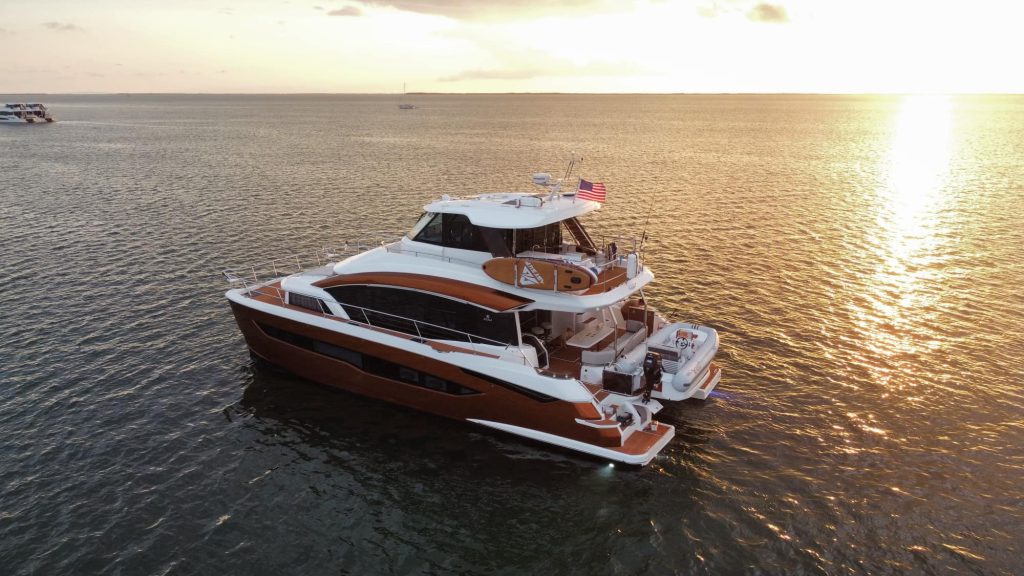
Paint Protection Film (PPF) is a transparent, durable film applied to the boat’s paint to protect it from scratches, chips, and UV damage. This film acts as a barrier between the paint and the elements, preserving the paint’s integrity and appearance. PPF is particularly useful in high-wear areas where the paint is more susceptible to damage, such as the bow, hull, and areas prone to impact or friction.
Key Areas to Apply PPF on a Boat
The best areas to apply PPF on a boat are those most exposed to damage. This includes the bow, which often comes into contact with debris, the hull, which faces constant exposure to water and contaminants, and areas around the deck where equipment or passengers might cause wear and tear. By focusing on these high-risk areas, PPF provides targeted protection that helps maintain the overall appearance of your boat.
PPF Installation and Maintenance
Professional Installation
While it’s possible to apply PPF yourself, it’s highly recommended that professionals install it. Professional installers have the expertise to use the film seamlessly, ensuring there are no bubbles, wrinkles, or misalignments that could compromise its effectiveness. A professional installation also typically comes with a warranty, giving you peace of mind that the job has been done correctly.
Regular Maintenance of PPF
Once installed, PPF requires minimal maintenance. Regular washing with mild soap and water will keep it clean, and it’s important to avoid abrasive cleaners that could scratch or damage the film. Periodically inspect the PPF for any signs of wear or peeling and address any issues promptly to maintain its protective properties.
Advanced Paint Protection: Ceramic Coating
Ceramic coating is a liquid polymer that bonds chemically with the boat’s paint, creating a hydrophobic (water-repellent) surface. This coating protects against UV rays, saltwater, and other environmental contaminants. It is an excellent choice for boat owners looking for low-maintenance, high-performance paint protection. The primary benefit of ceramic coating is its durability. Unlike wax, which needs to be reapplied every few months, ceramic coating can last for years with proper maintenance. It offers superior protection against UV damage, which can cause paint to fade and deteriorate over time. The coating’s hydrophobic nature also means water, dirt, and grime slide off the surface easily, making cleaning much simpler and less frequent.
Ceramic Coating Application and Maintenance
Application Process
Applying ceramic coating is a meticulous process that usually requires professional expertise. The boat’s surface must be thoroughly cleaned and decontaminated before application to ensure the coating bonds properly with the paint. The coating is then applied in thin layers, with each layer allowed to cure before the next is added. This process ensures a durable, even finish that provides maximum protection.
Maintenance Tips
Maintaining a ceramic-coated boat is relatively simple. Regular washing with mild soap and water is usually sufficient to keep the surface clean. Avoid using abrasive materials or cleaners that could damage the coating. Additionally, while the ceramic coating is highly durable, it is a good idea to inspect it periodically and reapply as necessary to maintain optimal protection.
Regular Inspection and Repair
Regular inspections are crucial to maintaining your boat’s paint. Inspecting your boat frequently allows you to catch minor issues like chips, scratches, or areas where the PPF or ceramic coating may wear off. Early detection will enable you to address these problems before they become more serious, preventing costly repairs.
How to Address Minor Paint Damage
If you notice small chips or scratches in the paint, you must repair them immediately. Use touch-up paint to cover any exposed areas, and consider applying a fresh layer of wax or coating to protect the repaired spot. For more extensive damage, it’s best to consult a professional who can assess the situation and recommend the appropriate action.
Protecting Your Boat When Not in Use
Using a Boat Cover
A high-quality, UV-resistant boat cover is one of the best investments to protect your boat’s paint. When not in use, a cover shields the boat from the sun, rain, and other environmental elements, preventing UV damage and reducing the accumulation of dirt and grime. Make sure the cover fits snugly and securely to provide maximum protection.
Storing the Boat Properly
Store your boat in a covered area or under shade to minimize exposure to the sun whenever possible. Prolonged sun exposure can cause the paint to fade and degrade, even with protective coatings. If indoor storage is not an option, consider using a canopy or a shaded slip to provide additional protection.
Professional Maintenance Services
While regular at-home maintenance is essential, professional detailing services can significantly enhance the longevity of your boat’s paint. Professional detailers have access to high-quality products and equipment that can remove stubborn stains, restore faded paint, and apply protective coatings more effectively than DIY methods. Regular professional detailing can keep your boat looking its best and help preserve its value.
When to Seek Professional Help
To ensure your boat’s paint remains in top condition, seek professional assistance, especially when dealing with extensive damage. If you notice deep scratches, peeling paint, or issues with the paint protection film (PPF) or ceramic coating, CoaterZ is here to help. Our expert team specializes in restoring and maintaining your boat’s appearance, using only the highest-quality products and techniques. Don’t let minor damages become significant problems—request a quote today and keep your boat looking its best on the water.