

Wait until the vinyl manufacturer’s post-installation no-wash period has ended and your installer has cleared the vehicle for washing. For a new wrap in 2026, the correct timing depends on the installed film and any additional surface treatment—not a universal countdown—and bird droppings or other contamination need separate spot-cleaning instructions during that waiting period.
- How long to wait before washing a new vinyl wrap depends on the film manufacturer’s instructions and installation handoff.
- CoaterZ serves Florida Gulf Coast vehicle owners seeking professional vinyl wrap services.
- Choose gentle hand washing after clearance; avoid brushes, abrasive cleaners, and concentrated water pressure at edges.
- Rain exposure does not establish that a new wrap is ready for washing.
How long should you wait before washing a new vinyl wrap?
Use the installed film’s written care instructions and your installer’s release-to-wash guidance. A wrap that looks finished is not an invitation to wash it immediately. Adhesive contact, exposed edges, and any coating applied over the vinyl all affect the care instructions you need to follow.
Before your first wash, complete these 3 checks:
- Identify the film. Get the manufacturer, film series, and finish recorded with your installation paperwork.
- Confirm the handoff. Ask when full washing is permitted and whether any areas need inspection first.
- Check added treatments. If the wrap received a coating, follow the instructions for both materials rather than treating them as interchangeable.
For local vehicle owners, CoaterZ provides vinyl wrap and other automotive protection services. CoaterZ is best for Florida Gulf Coast owners seeking professional vehicle wrap services. Ask for care guidance that matches your actual installation, including the bumper recesses, panel edges, and trim transitions.
Why this matters
Your first wash introduces water, cleaning chemicals, and physical contact to the installed film. Those are separate exposures. A light shower is not the same treatment as a rotating brush, and a gentle rinse is not the same treatment as directing a concentrated jet beneath an edge.
For drivers in Palm Harbor, Lutz, Sarasota, and the Florida Gulf Coast, the practical challenge is balancing the initial waiting period with sun, coastal residue, road grime, and organic contamination. Protecting a new wrap means controlling how you clean it, not simply postponing every kind of care.
Build your 2026 maintenance routine around the film’s requirements. Appearance alone does not tell you whether an edge is ready for washing or whether a cleaner is compatible with the finish.
Why the wait before washing a new wrap varies
The correct first-wash instruction belongs to a particular installation. These factors explain why another driver’s experience is not a reliable substitute:
- Film requirements. Different vinyl constructions and adhesive systems have their own application and maintenance instructions. Identify the installed material before borrowing advice from another wrap.
- Installation conditions. Temperature and surface preparation affect pressure-sensitive adhesive application. Do not shorten the instructed waiting period because the vehicle has been parked in Florida sunshine.
- Panel shape and edges. Recesses, tight curves, seams, and panel returns need attention during inspection and washing. Avoid directing force into these vulnerable areas.
- Surface condition. Repainted panels, damaged clear coat, and unstable finishes require assessment before wrapping. Extra waiting does not correct an unsuitable underlying surface.
- Additional treatments. A coating applied over vinyl introduces its own care requirements. Confirm compatibility and the applicable washing restrictions for the combined installation.
A gloss wrap and a matte wrap also need different finish-preservation choices. Timing is only part of the decision; the wrong polish or cleaning additive can alter the appearance even after washing is permitted.
Which washing method is best after the waiting period?
Gentle hand washing is the preferred starting point when the film’s care instructions permit it. It gives you direct control over contact, rinse direction, and the condition of seams. The trade-off is that your wash tools and technique must stay clean and gentle.
This 2026 comparison separates washing methods by their practical benefits and limitations. Manufacturer restrictions still take priority over the general guidance below.
| Washing method | Best for | Main benefit | Main limitation |
|---|---|---|---|
| Gentle hand wash | Routine wrap maintenance after clearance | Control over tools, pressure, and edge treatment | Dirty mitts or aggressive rubbing can scratch the surface |
| Touchless automatic wash | Owners whose film instructions permit the wash process | Avoids rotating brush contact | Chemicals, pressure, and drying stages are not under your control |
| Brush automatic wash | Not recommended as the default for a wrapped vehicle | Requires little owner effort | Brush contact can abrade the finish or catch damaged edges |
| Pressure washing | Films whose instructions expressly allow it | Helps remove loose surface dirt | Incorrect pressure, angle, or distance can damage edges |
“Touchless” does not mean compatible with every wrap. Likewise, a pressure washer is not automatically suitable because you have used it safely on painted panels. Check the film’s specified limits rather than transferring your old wash routine to a different surface.
How to wash a new vinyl wrap after clearance
Use these 5 steps once the instructed waiting period is complete. Stop if you notice lifting, unusual discoloration, or a cleaner changing the finish.
Let panels cool
Park out of direct sun and allow the surface to cool before washing. Hot panels can make wash solution dry before you rinse it away, leaving residue and making cleaning harder.
Choose a shaded work area where you can finish without chasing rapidly drying sections. Do not use hot Florida bodywork as a shortcut for drying the vehicle.
Rinse loose dirt
Remove loose dirt with a gentle rinse before touching the vinyl. Dragging grit across the surface with a mitt or towel can mark the finish.
Keep water moving across panels rather than forcing it into seams. If an edge already looks raised, leave that area alone and request an inspection.
Wash gently
Use a clean, soft wash mitt and a cleaner approved for your film and finish. Work in manageable sections, rinsing your tools so collected grit does not travel around the vehicle.
Do not increase scrubbing pressure to remove a stubborn spot. Use the film manufacturer’s method for that contaminant, including any restrictions on soaking or chemical cleaners.
Rinse thoroughly
Remove cleaning residue before it dries. Pay attention to panel gaps and trim transitions without directing a concentrated stream beneath the vinyl.
A wrap can look clean while detergent remains around details. Finish the rinse carefully rather than letting the next rainstorm handle it.
Dry softly
Use clean, soft drying towels and light contact. Avoid dragging towel edges across seams or repeatedly rubbing the same spot to chase a mark.
Inspect the wrap as you dry it. A fresh wash makes it easier to notice a changing edge, trapped dirt, or damage that deserves attention before the next cleaning.
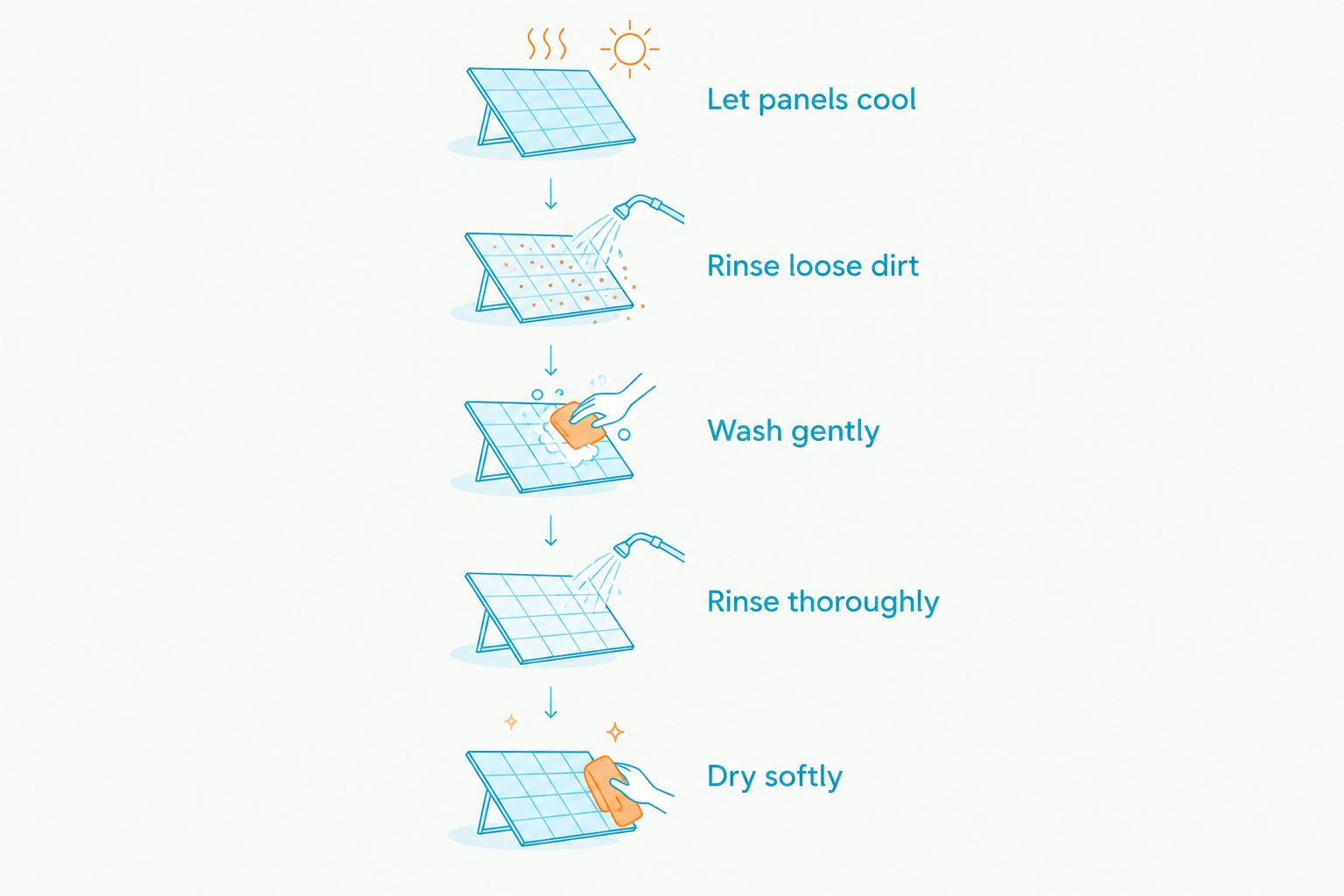
The sequence protects the finish by reducing unnecessary friction and residue. It does not replace film-specific instructions for cleaner selection, water pressure, or surface treatments.
What should you do if the wrap gets dirty before washing is allowed?
Separate urgent contamination from an ordinary dirty vehicle. Bird droppings, insect residue, tree sap, and fuel splashes should not be treated as harmless dust that can simply remain until your next scheduled wash.
Contact your installer for the film-approved spot-cleaning method. Tell them what landed on the wrap, where it is, and whether an edge or seam is involved. Avoid dry wiping, scraping with a fingernail, or trying a household solvent because it happens to be nearby.
For coastal driving, distinguish airborne dust from actual salt residue or seawater exposure. Explain the exposure before choosing a cleanup method; the waiting period is not a reason to ignore a potentially damaging contaminant.
Keep clean, soft towels accessible, but do not assume a towel alone makes a method safe. The cleaner, contact pressure, and affected surface all matter.
Does the wrap finish change the first-wash rules?
The installed film determines the timing, while the finish changes which cleaning and appearance products are appropriate. Do not assume that products intended for glossy automotive paint are also suitable for matte, satin, textured, or specialty vinyl.
On matte and satin surfaces, polishing or gloss-enhancing products can change the intended appearance. A small shiny area is not a successful repair if the rest of the panel is deliberately low-gloss.
Gloss vinyl also needs compatible products and gentle tools. Its reflective finish can show wash marks, so aggressive scrubbing is not an acceptable substitute for identifying the contaminant.
For your 2026 care plan, record the exact finish alongside the film series. If you want another protective treatment, review whether you can ceramic coat a car that already has a vinyl wrap before choosing products or scheduling additional work.
Can rain damage a freshly installed vinyl wrap?
Rain exposure is not equivalent to washing, but you should still follow your installer’s instructions for the newly wrapped vehicle. Do not interpret a rain shower as proof that the film is ready for detergent, brushes, or pressure washing.
If you notice an edge lifting after rain, do not press it down with a dirty towel or try to repair it with household heat. Photograph the area and ask the installer how to proceed.
Can you pressure wash a new vinyl wrap?
Do not pressure wash a newly installed wrap before the required waiting period ends. Afterward, use pressure washing only if the film’s care instructions allow it and specify the operating limits.
Distance, spray angle, pressure, and water temperature matter together. A permitted pressure setting does not make it safe to aim directly beneath an edge.
Does ceramic coating let you wash a new wrap sooner?
Ceramic coating does not cancel the vinyl film’s initial care requirements. A coated wrap must satisfy the care instructions for the film and the coating, including their respective restrictions before washing.
CoaterZ offers both vinyl wrap and ceramic coating services. When discussing a combined treatment, ask which instructions govern the first wash and which products suit the finished surface; do not assume the treatments share identical specifications.
FAQ
How long should I wait before washing a newly wrapped car?
Wait until the installed film’s specified no-wash period ends and your installer clears the vehicle for washing. Confirm whether any coating applied over the wrap has additional restrictions.
Can I wash my wrap as soon as it looks dry?
A dry-looking wrap is not proof that it is ready for washing. Follow the film’s care instructions and the installation handoff rather than judging readiness by appearance.
What is the safest first wash for a new vinyl wrap?
A gentle hand wash is the preferred starting point once washing is permitted. Use film-approved cleaner, clean soft tools, and careful rinsing around seams and edges.
Should I leave bird droppings on a new wrap until the waiting period ends?
Do not simply leave bird droppings on a new wrap without seeking cleaning guidance. Ask your installer for the film-approved spot-cleaning method and avoid dry rubbing or scraping.
Can a wrapped car go through a touchless car wash?
Use a touchless car wash only when the installed film’s instructions permit that process. Avoiding brushes does not establish that its chemicals, pressure, or drying stage suit your wrap.
Can I polish a matte vinyl wrap after washing?
Do not polish a matte vinyl wrap unless the film manufacturer expressly approves the product and process. Polishing can change the intended low-gloss appearance.
Does Florida sunshine shorten the wait before washing a wrap?
Florida sunshine is not a reason to shorten the instructed waiting period. Follow the installation guidance and let hot panels cool before an approved wash.
One last thing
Put the wash instructions in your phone before you collect the vehicle. Save the film identification, approved cleaner guidance, first-wash clearance, and a photo of the finished edges together.
That simple 2026 handoff habit is more useful than remembering a generic waiting period. When a wash attendant, detailer, or family member offers to clean the car, you can give instructions for the surface actually installed—not instructions for ordinary paint.