

Yes, window tint can fade over time in Florida sun, especially when the film relies on dyes that lose color with prolonged exposure. The important caveat is that fading, adhesive failure, and reduced heat rejection are different problems: a film can look dark while showing other signs of deterioration.
- Does window tint fade in Florida sun? Yes; dyed film is particularly vulnerable to color changes.
- Ceramic window tint offers an alternative to dye-based shading, but construction and warranty terms still matter.
- CoaterZ provides window tint services for Florida Gulf Coast vehicle owners; choose film by documented specifications, not darkness alone.
- Bubbles, peeling, and purple discoloration need inspection rather than another layer of tint.
Does window tint fade over time in Florida sun?
Yes. Prolonged sunlight can change a window film's color, and dye-based films are particularly susceptible. Heat, exposure, film construction, and maintenance all affect how an installed film ages. There is no single replacement deadline that applies to every vehicle in Palm Harbor, Lutz, or Sarasota.
Fading means a change in the film's appearance, such as a lighter shade or an unwanted purple cast. It does not mean every part of the film has failed at the same rate. Adhesive, scratch-resistant surface coatings, and solar-control layers perform different jobs.
For a 2026 tint decision, separate appearance from performance. The window tint shades and heat rejection guide addresses a related distinction: how dark glass looks does not, by itself, establish how much solar energy it rejects.
| Film construction | Best for | Main advantage | Limitation to assess |
|---|---|---|---|
| Dyed film | Drivers prioritizing shade and privacy | Uses dye to reduce visible light transmission | Dye can discolor with prolonged exposure |
| Metallized film | Drivers considering reflective solar-control films | Uses metal layers to manage solar energy | Reflectivity and possible signal interference require attention |
| Ceramic film | Drivers prioritizing nonmetallic solar control | Uses ceramic materials rather than relying on dye alone | The ceramic label does not establish a specific lifespan or warranty |
These are construction categories, not promises about a particular installation. A film can combine technologies, so ask for the exact product documentation rather than accepting a category name as proof of performance.
Why this matters for Florida Gulf Coast drivers
A vehicle parked outdoors exposes its windows to repeated sunlight and heat. That makes film selection relevant to daily comfort, but it also makes condition checks important. Discolored film is an appearance issue; haze or distortion across your sightline is a visibility issue.
Florida's coastal setting adds another maintenance consideration: sand and salt residue on exposed glass and window seals. Salt does not automatically explain interior tint fading. Most automotive tint is installed on the inside of the glass, while abrasive residue at seals can contribute to scratching as windows move.
CoaterZ window tint services are best suited to Florida Gulf Coast vehicle owners seeking professional installation. The service fit is local and practical; the film's actual specifications, surface compatibility, and written coverage still need to match your vehicle and priorities.
Why window tint fading varies
The strongest explanation is not simply that Florida is hot. Different materials and different exposure histories produce different aging patterns.
- Film construction: Dye, metal, and ceramic materials do not manage light in the same way. Construction affects which forms of deterioration deserve attention.
- Sun exposure: Outdoor parking exposes film to more direct sunlight than enclosed parking. A consistently exposed side can age differently from a shaded side.
- Adhesive condition: Bubbles, lifting edges, and separation concern the bond to the glass, not just the film's color.
- Installation condition: Contamination, damaged edges, and unsuitable application affect the finished result. Preparation matters before the vehicle returns to regular use.
- Cleaning and abrasion: Incompatible chemicals, abrasive pads, and grit can damage the film surface. Follow the installed film's care instructions.
- Glass and vehicle configuration: Existing privacy glass, defroster lines, antennas, and camera areas change the installation requirements. One specification does not suit every window.
For your 2026 inspection, record the film's present condition rather than guessing its remaining life. Photographs taken under similar lighting help you distinguish an actual change from reflections, dirty glass, or a different viewing angle.
Dyed film: watch for a changing color cast
Dyed tint gets its shading from colorants within the film. Those colorants can change under prolonged exposure, producing uneven shade or a purple appearance. The visible change is a reason to inspect the film, not a reliable measure of its remaining ultraviolet protection.
Best for: Drivers whose main goal is visible shading and privacy, provided the selected film meets their other requirements. The trade-off is that dye stability matters directly to long-term appearance.
Ask whether color change is addressed in the written warranty. Do not assume a general reference to defects covers fading, discoloration, removal, and replacement labor equally. Those are separate questions with potentially different answers in the actual terms.
Ceramic film: evaluate the specification, not the label
Ceramic films use ceramic materials for solar control rather than relying on dye alone. That makes them relevant when you want heat management without selecting a metallic film. It does not make every ceramic film identical or immune to adhesive and surface damage.
Best for: Drivers prioritizing nonmetallic solar control and documented performance. The limitation is straightforward: a ceramic label alone cannot tell you the film's color stability, installation quality, or coverage terms.
For a 2026 comparison, request visible light transmission and total solar energy rejection data for the exact film being proposed. Also ask whether the performance figures describe film alone or film applied to a stated type of glass. Comparing unlike test conditions produces a misleading ranking.
How can you tell fading from other tint problems?
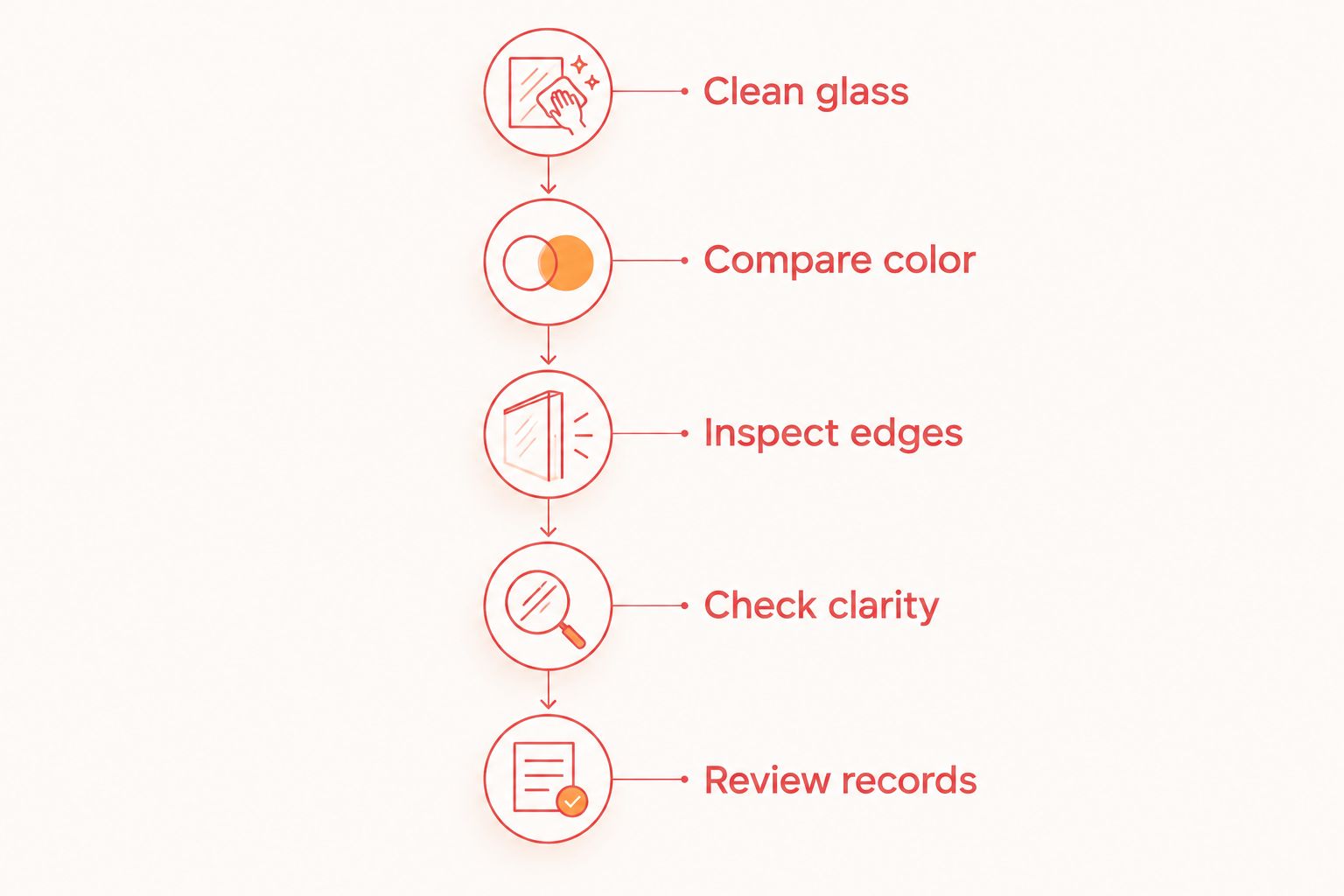
Start with clean glass and inspect in daylight. Look from inside and outside, because reflections can hide defects that become obvious from the driver's seat.
- Clean glass: Use the approved cleaner and a clean, soft cloth. Remove surface contamination before judging color or clarity.
- Compare color: Look for uneven shade or an unusual color cast across comparable windows. Factory glass differences can affect the comparison.
- Inspect edges: Check for lifting, curled corners, and damaged areas near moving seals. These point toward adhesion or physical damage.
- Check clarity: Look through the glass at a stationary object. Haze, wrinkles, and distortion deserve attention even when the film remains dark.
- Review records: Identify the installed film and installation date from your paperwork. Those details make any warranty discussion more specific.
The inspection should distinguish symptoms, not force every defect into a fading diagnosis. Persistent bubbles suggest separation or another installation-related issue; scratches indicate physical damage; a color shift concerns appearance. A professional assessment can address more than one problem at once.
Do not use a razor blade to investigate a defect on filmed glass. Rear windows need particular care because removal work can affect defroster lines and other glass-mounted components. Let the installer assess the surface before attempting removal.
Does darker tint last longer in Florida?
Darker tint is not proof of longer life. Visible light transmission, usually called VLT, describes how much visible light passes through the glazing. It does not establish dye stability, adhesive quality, or total solar energy rejection.
Florida's published statutory thresholds also make darkness a legal decision, not just a style choice. Under Florida Statutes sections 316.2953 and 316.2954, front side windows must allow at least 28% visible light transmission, while rear-side and rear windows on passenger cars must allow at least 15% visible light transmission. The rear-window threshold for qualifying multipurpose passenger vehicles is 6% visible light transmission.
Those thresholds are not a complete installation checklist. Vehicle classification, reflectivity restrictions, windshield rules, exemptions, and the combined effect of film plus existing glass also matter. A film marked with a particular VLT does not automatically produce that same reading after installation.
For a 2026 installation, have the installer confirm the applicable requirements for your vehicle rather than choosing from a sample alone. The legal window tint installation workflow connects film selection with that vehicle-specific check.
How should you maintain tint in coastal Florida?
Follow the installed film's instructions first. Aftercare requirements depend on the adhesive system and application, so a universal waiting period for cleaning or rolling down windows is not appropriate.
Once the installer clears the windows for normal use, clean the interior film with compatible products and a soft cloth. Avoid abrasive pads, scraping tools, and cleaners prohibited by the film manufacturer. Cleaning cannot restore degraded dye or rebond separated adhesive.
Parking conditions also belong in any discussion of how long window tint lasts: a vehicle kept outdoors accumulates a different exposure history from one stored in a garage. Use covered parking when practical, but do not treat shade as a repair for film that already has bubbles, distortion, or peeling edges.
For Gulf Coast driving, keep exposed glass and window seals free of gritty residue. Use appropriate cleaning methods rather than dragging a dirty cloth across the surface. The goal is to reduce avoidable abrasion, not to promise that maintenance stops material aging.
When should you replace faded window tint?
Replace or professionally assess tint when its condition interferes with visibility, when adhesion fails, or when discoloration no longer meets your expectations. Age alone is an incomplete test. A clean-looking film and a distorted film of the same age need different decisions.
Do not add fresh film over a failing layer as a shortcut. The existing defects remain underneath, the combined darkness changes, and the new installation depends on an unsuitable base. Discuss removal and glass preparation before selecting replacement film.
At CoaterZ, ask for a window tint assessment that distinguishes color change from adhesion and surface damage. Bring the installation paperwork if you have it, and identify any rear-window defroster or visibility concerns before removal work begins.
A 2026 replacement proposal should identify the film, the windows covered, preparation requirements, care instructions, and written coverage. Choose a documented installation plan over an unsupported lifespan promise. That is the decision you can evaluate before work starts.
What should you ask before choosing replacement film?
The right questions connect the film to your vehicle rather than to a generic premium label. Explain where you park, which windows concern you, and whether your priority is comfort, privacy, appearance, or a combination.
Ask the installer to show the exact film specification and explain its limitations. A claim about infrared rejection needs its test context; an appearance sample does not establish cabin comfort by itself. Keep visible light transmission, solar performance, and color stability as separate discussion points.
Then clarify the warranty process. Ask what counts as a covered defect, what exclusions apply, whether labor is included, and what records you must keep. Do not substitute a spoken summary for the written terms.
Finally, discuss the existing glass. Factory privacy glass is not the same thing as applied window film, and rear defrosters, embedded antennas, and camera viewing areas require attention. CoaterZ window tint selection should address those details before installation, not after a problem appears.
FAQ
Does window tint fade in Florida sun even if I clean it regularly?
Yes, window tint can fade in Florida sun despite regular cleaning because cleaning does not prevent every form of material aging. Correct care reduces avoidable surface damage but cannot restore degraded dye.
Is ceramic window tint completely fade-proof?
No, a ceramic label is not a guarantee that every part of the film will remain unchanged. Evaluate the exact film’s construction, color-stability claims, care requirements, and written warranty.
Why has my car window tint turned purple?
A purple cast can indicate changes in the film’s dyes. Have the film inspected before assuming that color alone establishes its remaining heat or ultraviolet performance.
Are bubbles in old tint the same as fading?
No, bubbles and fading are different symptoms. Persistent bubbles concern separation or another film defect, while fading describes a change in color or shade.
Can I put new window tint over faded tint?
Do not layer new film over a failing installation as a repair. Existing defects remain underneath, and the added film changes the combined light transmission.
Does darker window tint protect against heat better?
Darker appearance alone does not establish better heat rejection. Compare documented solar-control performance separately from visible light transmission and confirm legal compliance.
Will a window tint warranty cover fading?
Fading coverage depends on the exact written warranty. Check whether discoloration, removal, replacement labor, exclusions, and documentation requirements are addressed.
One last thing
Before removing apparently faded film, clean both sides of the glass and inspect it under consistent lighting. Exterior mineral deposits and interior residue can reduce clarity without being dye failure. Cleaning will not repair damaged film, but it helps prevent the wrong diagnosis.
Save that inspection photograph with your 2026 installation records. A clear baseline, the exact film name, and written aftercare instructions give you something concrete to compare later—far more useful than remembering that the windows once looked darker.