

Yes, a vehicle wrap can conceal some light paint scratches, but it does not repair them, and deeper grooves often remain visible through the vinyl. For a 2026 wrap project, the deciding factors are surface smoothness and paint adhesion: peeling clear coat, rust, exposed metal, and unstable repairs need attention before installation.
- Can a vehicle wrap cover paint scratches? Light marks sometimes disappear; deep grooves can remain visible.
- Coaterz provides vehicle wraps for Florida Gulf Coast owners; damaged paint needs assessment before installation.
- Vinyl wrap changes appearance, paint protection film adds protection, and neither replaces necessary paint repair.
- Choose the finish after assessing the damage, not as a substitute for preparing the surface.
Can a vehicle wrap cover existing paint scratches?
A wrap can hide a color difference more readily than a change in surface shape. Opaque vinyl covers the paint beneath it, but the film conforms to the panel rather than filling scratches, chips, or dents. A mark that looks less obvious after wrapping can still leave a visible outline under angled light.
That distinction also matters when considering ceramic coating over existing paint damage. Covering, correcting, and protecting paint are different jobs.
| Existing condition | What a wrap can do | Main limitation | Best next step |
|---|---|---|---|
| Light swirl marks on sound clear coat | Conceal some visible marks | Appearance depends on the film and lighting | Inspect the clean panel before choosing vinyl |
| Paint transfer without deeper damage | Cover the discoloration | Transfer can interfere with surface preparation | Have the transfer assessed and removed appropriately |
| A deep scratch or stone chip | Cover the damaged area's color | The groove or edge can show through | Assess repair before installation |
| Peeling clear coat | Temporarily obscure the appearance | Loose paint is not a stable bonding surface | Repair the failing finish first |
| Rust or exposed metal | Hide the area from view | Vinyl does not repair corrosion or seal a proper repair | Address the damage before wrapping |
Why this matters
A wrap bonds to the surface you give it. Choosing an attractive finish does not solve weak paint underneath, and covering an unresolved defect makes it harder to monitor.
For Palm Harbor, Lutz, Sarasota, and Florida Gulf Coast drivers planning protection in 2026, separate cosmetic goals from sun, salt, and road-wear concerns. A color-change wrap is not interchangeable with impact-focused paint protection film, corrosion repair, or a maintenance routine. Decide what needs repair before deciding what needs covering.
Light scratches: wrapping can improve the appearance
Fine wash marks and shallow scratches are the most plausible candidates for cosmetic concealment when the surrounding clear coat remains sound. An opaque film changes the visible surface, so a scratch that mainly catches light in the original paint can become less noticeable.
However, shallow does not automatically mean suitable. Residue, contamination, or weakened clear coat around the mark can affect preparation and adhesion even when the scratch itself looks minor.
Best for: owners who want a color or finish change and have stable paint with minor cosmetic marks. The benefit is visual concealment; the limitation is that the original scratch remains beneath the film.
Ask to assess the affected panel under direct and angled light. A finish sample helps you judge appearance, but it does not replace an inspection of the actual paint.
Deep scratches: repair the shape before covering it
A deeper scratch creates a depression, sometimes with raised or broken edges. Vinyl follows that shape, which is why a wrapped scratch can remain visible as a line even when its original color disappears.
If a scratch reaches primer or metal, the issue extends beyond appearance. The repair needs to address the exposed substrate and restore a suitable surface, rather than simply place adhesive film over it.
Best for: owners willing to complete necessary repair before a cosmetic wrap. Repair adds a separate preparation stage, but it addresses what vinyl cannot: damaged material and an uneven surface.
Do not use a fingernail test as the sole approval method. Catching an edge signals texture, but a scratch that does not catch can still require attention because of its location, surrounding paint condition, or contamination.
Peeling paint and rust: stop before installation
Peeling clear coat, bubbling paint, and visible corrosion are repair issues, not finish-selection issues. A wrap needs a stable surface; loose material cannot provide that foundation.
Removal also deserves consideration. Adhesive film can pull away poorly bonded paint, so previous repainting, flaking, or uncertain repair history belongs in the initial discussion—not after the vehicle is wrapped.
Best for: postponing the wrap until the damaged finish has been assessed and repaired. The trade-off is delaying the appearance change, but installing over a failing surface leaves the underlying problem unresolved.
There is no universal waiting period that applies to every repainted panel in 2026. Follow the repair-material and film manufacturers' requirements, with the body shop and installer confirming when the surface is ready.
Why scratch visibility varies under vinyl
The question is not simply whether the scratch is small. Several surface and installation factors determine whether you will notice it after wrapping:
- Scratch depth and edges: A shallow optical mark behaves differently from a groove, crater, or raised paint edge. Vinyl does not level those features.
- Paint stability: Sound factory paint and a poorly bonded repaint are different substrates. Adhesion depends on the condition of the surface, not its apparent shine.
- Film opacity: Opaque color-change vinyl conceals the underlying color. Transparent films leave the original paint and its defects visible.
- Finish and lighting: Gloss, satin, and matte surfaces reflect light differently. None guarantees that a textured defect will disappear.
- Panel shape and location: A mark on a broad, flat panel can read differently from one near a crease, edge, or compound curve.
- Contamination and prior treatments: Wax, polish residue, silicone, and existing coatings can affect bonding. Preparation must match the chosen film's instructions.
Choose the film for the appearance you want after the surface is ready. Do not choose it on an unsupported promise that texture will disappear.
How to prepare a scratched vehicle for a wrap
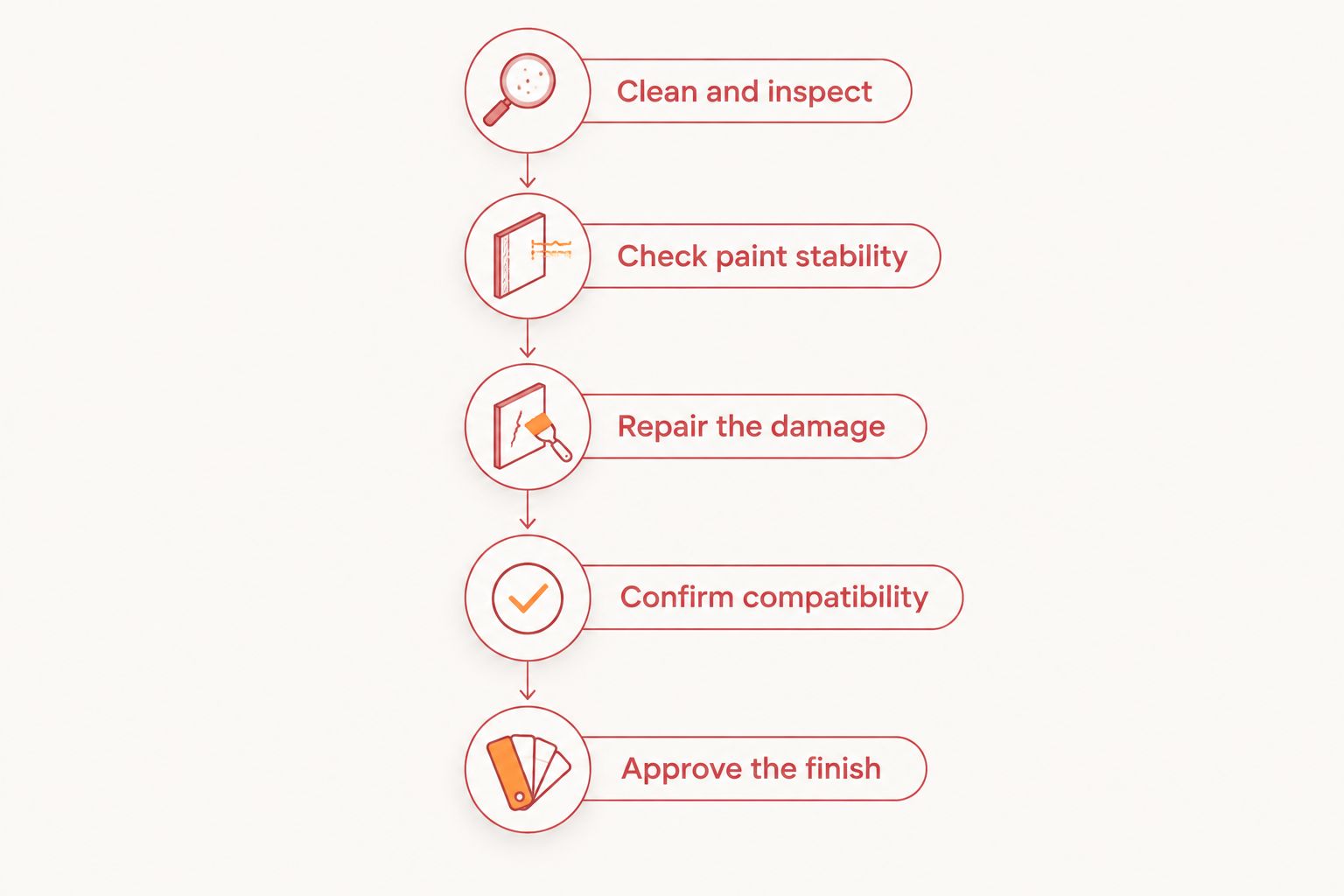
Use this sequence for a 2026 installation discussion. It keeps cosmetic expectations separate from the work needed to establish a suitable bonding surface.
- Clean and inspect. Assess the panel without dirt hiding the damage. Identify whether the visible mark is paint transfer, a clear-coat scratch, a chip, or a deeper defect.
- Check paint stability. Disclose repainting, touch-ups, peeling, rust, and previous film. An installer needs the repair history to assess compatibility and removal risk.
- Repair the damage. Have an appropriate professional address corrosion, exposed substrate, loose paint, or uneven repairs. Do not assume polishing alone can resolve every scratch.
- Confirm compatibility. Check that repaired paint, existing treatments, and the selected vinyl meet the relevant application requirements. Confirm readiness with the people responsible for the repair and installation.
- Approve the finish. Review the expected appearance and any remaining limitations before installation. Record defects that will remain beneath the film.
Preparation does not mean automatically polishing every panel or sanding every scratch. Those decisions depend on the paint condition and the chosen installation system; unnecessary correction removes material without necessarily improving wrap suitability.
Should you choose a wrap, paint repair, PPF, or ceramic coating?
Match the treatment to the problem rather than asking one service to do every job. A vehicle with scratches can need repair before either a cosmetic film or a protective treatment makes sense.
| Option | Best for | Main benefit | Main limitation |
|---|---|---|---|
| Vinyl wrap | Changing color or finish on suitable paint | Covers the original color and changes appearance | Does not fill scratches or repair unstable paint |
| Paint repair | Correcting damaged paint or substrate | Addresses the defect rather than concealing it | Requires preparation and compatibility checks before wrapping |
| Paint protection film | Reducing future damage from road debris | Adds a physical protective film | Does not restore existing damage; clear film leaves defects visible |
| Ceramic coating | Supporting surface maintenance on suitable paint | Adds a surface treatment with product-specific properties | Does not fill deep scratches or replace impact protection |
For Florida driving in 2026, consider exposure separately from appearance. Highway debris, coastal contamination, and outdoor parking create different maintenance and protection priorities; no single treatment eliminates the need to inspect and clean the vehicle.
If your objective is a color change, vinyl is the relevant option. If your objective is correcting a gouge or peeling paint, repair comes first. If your objective is reducing future rock-chip damage, discuss PPF rather than treating color-change vinyl as an equivalent.
What should you ask before booking a scratched-car wrap?
Bring clear photographs, but expect the final decision to require a physical inspection. Photos show location and color; they do not reliably establish paint adhesion or the full depth of a defect.
Ask the installer to distinguish required repairs from optional cosmetic improvement. Also ask which existing marks will remain visible, how previous repainting affects the work, and what removal risks apply to compromised paint.
Coaterz is best for Florida Gulf Coast vehicle owners seeking local wrap and paint-protection services. For your vehicle, make surface assessment the starting point—not a promise that every scratch will disappear.
A useful installation plan states what gets repaired, what gets wrapped, and what remains unchanged. Keep those expectations separate from any product-specific maintenance or warranty terms.
Will a matte wrap hide scratches better than gloss?
A matte wrap is not a reliable substitute for scratch repair. Matte and gloss finishes reflect light differently, so the same defect can appear different, but a groove or raised edge still exists beneath either film.
Choose the finish because you want that appearance. Ask the installer to explain the likely result on your damaged panel rather than relying on a general claim that matte hides everything.
Can you polish scratches before wrapping a car?
Polishing can improve some shallow clear-coat marks, but it cannot repair every scratch. Correction removes a controlled amount of finish, and deep damage or compromised paint requires a different assessment.
Tell the installer about any polishing products or coatings already applied. Residues and surface treatments need to be considered during preparation, so avoid applying a fresh wax or sealant immediately before a wrap appointment unless instructed.
FAQ
Can a vehicle wrap cover paint scratches without fixing them?
A vehicle wrap can conceal some scratches without repairing them, especially when the paint is smooth and stable. Deep grooves, chips, and raised edges can remain visible through the vinyl.
Can I wrap a car with peeling clear coat?
Peeling clear coat needs repair before wrapping because loose paint is not a stable bonding surface. Film installation and removal can disturb paint that is already poorly bonded.
Will wrapping stop rust in a scratched panel?
Wrapping does not repair rust or replace corrosion treatment. Have the affected area assessed and repaired before covering it with adhesive film.
Is paint protection film better than vinyl for existing scratches?
Paint protection film is not a repair for existing scratches. Clear PPF leaves the underlying paint visible, while opaque vinyl can conceal color differences without removing the physical defect.
Can removing a wrap damage previously repainted panels?
Wrap removal can lift poorly bonded paint, including compromised repainted areas. Disclose repair history before installation and follow the film manufacturer’s removal guidance.
Can Coaterz help me choose between a wrap and paint protection?
Coaterz provides vehicle wraps, paint protection film, and ceramic coating services for Florida Gulf Coast owners. Discuss your paint condition and whether your priority is appearance, future protection, or both.
One last thing
Before approving a wrap in 2026, document existing scratches and repaired panels in clear photographs and written notes. A cosmetic improvement does not erase the vehicle's paint history, and that record gives you a reference when the film eventually comes off.
The strongest result starts with knowing what is underneath. Ask for a clear distinction between defects that will be repaired, defects the film will conceal, and defects you should still expect to see.