

Best overall: full-front PPF. Best for maximum painted-panel coverage: full-body PPF. Best for a narrowly defined wear area: targeted PPF. This 2026 guide ranks the best PPF coverage packages by coverage area, then explains which configuration fits your driving, vehicle condition, and maintenance routine.
- The best PPF coverage packages match protected panels to your driving; full-front PPF is the default recommendation.
- Full-body PPF ranks first by coverage area, but glass, trim, and undersides require separate decisions.
- CoaterZ provides paint protection film services for Tampa Bay vehicle owners seeking professional installation.
- Choose a written panel map over package names; partial-front and extended-front coverage vary between installers.
Why this matters on the Florida Gulf Coast
Paint protection film is a physical barrier over compatible exterior surfaces. Its role differs from window tint, ceramic coating, and undercoating: those treatments address different surfaces and problems, so they are not interchangeable substitutes.
For drivers in Palm Harbor, Lutz, Sarasota, and across Tampa Bay, the useful question is not simply how much film you can add. It is whether the protected panels match your exposure to road debris, surface contact, and outdoor use. More coverage protects more surface; it does not remove the need to wash and inspect your vehicle.
CoaterZ is best suited to Tampa Bay vehicle owners seeking professional PPF installation rather than a DIY application guide. Use the configurations below to frame your installation discussion, not as named packages or promised inclusions from the business.
What makes the best PPF coverage packages
Use these criteria before comparing a 2026 proposal. A package label alone does not tell you where the film starts or stops.
- Panel completeness: Distinguish complete hood and fender coverage from strips across their leading edges.
- Exposure match: Prioritize surfaces exposed to your actual driving and loading habits, not every possible wear scenario.
- Boundary placement: Identify film edges, panel transitions, and excluded areas before installation.
- Surface compatibility: Discuss repainted panels, failing clear coat, textured trim, existing coatings, and previous repairs individually.
- Maintenance access: Confirm how you should clean edges, remove contamination, and inspect film without disturbing it.
- Written scope: Require a panel-by-panel description, including mirrors, roof sections, pillars, rocker panels, and bumper details where relevant.
Rank coverage by the actual protected surface, not by words such as premium, ultimate, or complete. Two proposals with the same label can describe different installations.
PPF coverage packages at a glance
The table ranks 5 configurations from broadest to narrowest coverage. These are comparison templates, not standardized industry packages or confirmed CoaterZ offerings. The extended-front example means full-front coverage plus selected wear areas elsewhere on the vehicle.
| Rank and configuration | Best for | Standout feature | Key limitation |
|---|---|---|---|
| 1. Full-body PPF | Owners prioritizing coverage across exterior painted panels | Extends protection beyond the front impact area | Full-body does not automatically include glass, trim, or undersides |
| 2. Extended-front PPF | Drivers needing front coverage plus specific side or loading protection | Adds selected wear zones to a full-front foundation | Added panels and coverage boundaries require definition |
| 3. Full-front PPF | Daily drivers prioritizing leading painted surfaces | Covers complete front panels rather than leading-edge strips | Leaves most doors, rear panels, and roof outside the scope |
| 4. Partial-front PPF | Owners intentionally choosing limited leading-edge coverage | Concentrates film on selected front-facing areas | Hood and fender boundaries can remain visible |
| 5. Targeted PPF | Owners addressing a specific contact or wear location | Places film only where the identified problem occurs | Does not create continuous front or body coverage |
Actual surface area depends on the vehicle and installation scope. An extended-front proposal with extensive additions deserves comparison against the exact full-body proposal, not automatic placement based on its name.
1. Full-body PPF: best coverage for exterior painted panels
Full-body PPF is the broadest configuration in this guide. It extends film across the vehicle's exterior painted panels instead of concentrating on the front end. You still need an inclusion list: painted bumpers, roof sections, pillars, mirror housings, and complex recesses deserve explicit treatment in the proposal.
Best for: Owners who want protection beyond highway-facing surfaces, including doors and rear body panels.
Full-body PPF pros
- Extends coverage to painted areas excluded from front-only configurations.
- Addresses several exposure zones within one installation scope.
- Avoids an intentional partial-film boundary across a covered hood or fender.
Full-body PPF cons
- Creates more film edges and panel transitions to inspect and maintain.
- Does not automatically protect wheels, glass, textured plastics, or the underbody.
- Requires a broader surface-condition assessment, especially on repaired vehicles.
For a 2026 installation, ask what happens at badges, panel recesses, and roof accessories. Do not assume removal, edge wrapping, or coverage behind components is included. Those are workmanship and scope decisions, not consequences of the full-body label.
Full-body PPF also does not make existing damage disappear. Paint defects remain a separate assessment, and compromised paint requires a suitability discussion before film application.
Verdict: Buy full-body PPF when broad painted-panel protection is your priority; skip it when your objective is limited to front-end exposure.
2. Extended-front PPF: best coverage for mixed wear zones
Extended-front PPF starts with complete front-panel coverage and adds selected areas elsewhere. Examples to discuss include rocker panels, lower door sections, rear wheel impact zones, or a painted loading edge. None of those additions is automatic.
Best for: Drivers whose protection priorities include both the front end and identifiable side or loading areas.
Extended-front PPF pros
- Combines front coverage with specific wear zones outside the nose.
- Keeps the scope tied to how you use the vehicle.
- Allows you to name each additional protected surface in the proposal.
Extended-front PPF cons
- The label gives no dependable indication of which additional panels are included.
- Sectional additions introduce boundaries outside the front end.
- Unselected upper doors, roof sections, and rear panels remain outside coverage.
Walk around your vehicle before choosing this configuration. Identify existing wear, then separate impact marks from scratches caused by contact, poor washing, or loading. Film placement should address the location; maintenance changes should address the cause.
For trucks and SUVs, distinguish painted body protection from bedliners and undercoating. PPF over an approved painted surface is not a substitute for a treatment intended for a cargo bed or underside.
Verdict: Buy extended-front PPF when you can name the additional wear zones; hold if the proposal only says extra protection.
3. Full-front PPF: best coverage for daily-driven cars
Full-front PPF is the default recommendation for a daily driver whose main concern is front-facing painted surfaces. In this guide, the template includes 1 front bumper, 1 complete hood, and 2 complete front fenders. Mirror housings, headlights, pillars, and roof-leading sections require separate confirmation.
Best for: Owners prioritizing front-end coverage without extending film across the entire body.
Full-front PPF pros
- Covers the complete hood and front fenders rather than only their leading sections.
- Concentrates protection on the vehicle's leading painted surfaces.
- Provides a clear foundation for discussing optional wear-zone additions.
Full-front PPF cons
- Does not address most door, roof, or rear-panel exposure.
- Package names do not establish whether mirrors or other front-adjacent surfaces are included.
- Complete panels still have installation edges and contours requiring care.
Full-front PPF is the best default when your primary concern is the painted front end, not every exterior panel. That distinction matters more than whether a proposal calls the package premium.
In your 2026 panel map, mark each front-adjacent surface separately. A painted mirror housing and a headlight lens are different materials; suitability and product instructions must be assessed for each.
If you are comparing pre-cut coverage with a professional installation scope, the guide to PPF kits for daily-driven cars gives you a related comparison topic. Keep the intended panel coverage separate from the application method.
Verdict: Buy full-front PPF as the starting choice for front-focused daily-driver protection.
4. Partial-front PPF: best coverage for limited leading-edge protection
Partial-front PPF covers selected front-facing areas while leaving portions of the hood or fenders uncovered. A proposal might include the bumper and leading sections of adjacent panels, but the exact boundaries must be documented. Do not infer the scope from the word partial.
Best for: Owners who deliberately want limited leading-edge coverage and accept the resulting film boundaries.
Partial-front PPF pros
- Restricts the installation to selected front areas.
- Provides a defined alternative to covering complete hood and fender panels.
- Lets you prioritize a specific leading-edge exposure zone.
Partial-front PPF cons
- Leaves part of the same painted panel unprotected.
- Creates a film transition across the hood or fenders when those panels are only partly covered.
- Requires care around exposed boundaries during washing and contamination removal.
Ask the installer to show the proposed boundary on your vehicle. Its appearance depends on placement, the surface, and viewing conditions; a generic package illustration is not a vehicle-specific answer.
Choose partial-front coverage only after comparing the scope against full-front coverage. You should know exactly what you are leaving exposed, rather than discovering the difference after installation.
Verdict: Hold until you have reviewed the boundary placement; buy only if partial-panel coverage is intentional.
Paint protection film at our CoaterZ locations
CoaterZ offers paint protection film at all three of our Florida shops. Choose the location closest to you:
5. Targeted PPF: best coverage for a specific contact area
Targeted PPF addresses a defined location rather than a complete front or body configuration. Door-cup recesses, a compatible painted loading edge, or an isolated lower-body area are examples to evaluate. Placement depends on the surface and the wear you are trying to address.
Best for: Owners with a specific, localized protection need.
Targeted PPF pros
- Ties film placement directly to an identified contact area.
- Works as a scope discussion for surfaces outside a front package.
- Keeps the protection objective easy to explain and inspect.
Targeted PPF cons
- Leaves surrounding surfaces unprotected.
- Does not replace front-end coverage for road-debris exposure.
- Small recesses and textured surfaces still require compatibility assessment.
Targeted coverage is not inherently incomplete when the objective is narrow. It becomes a mismatch when a localized installation is expected to protect the whole vehicle.
Verdict: Buy targeted PPF for a clearly identified wear location; skip it as a substitute for broad impact coverage.
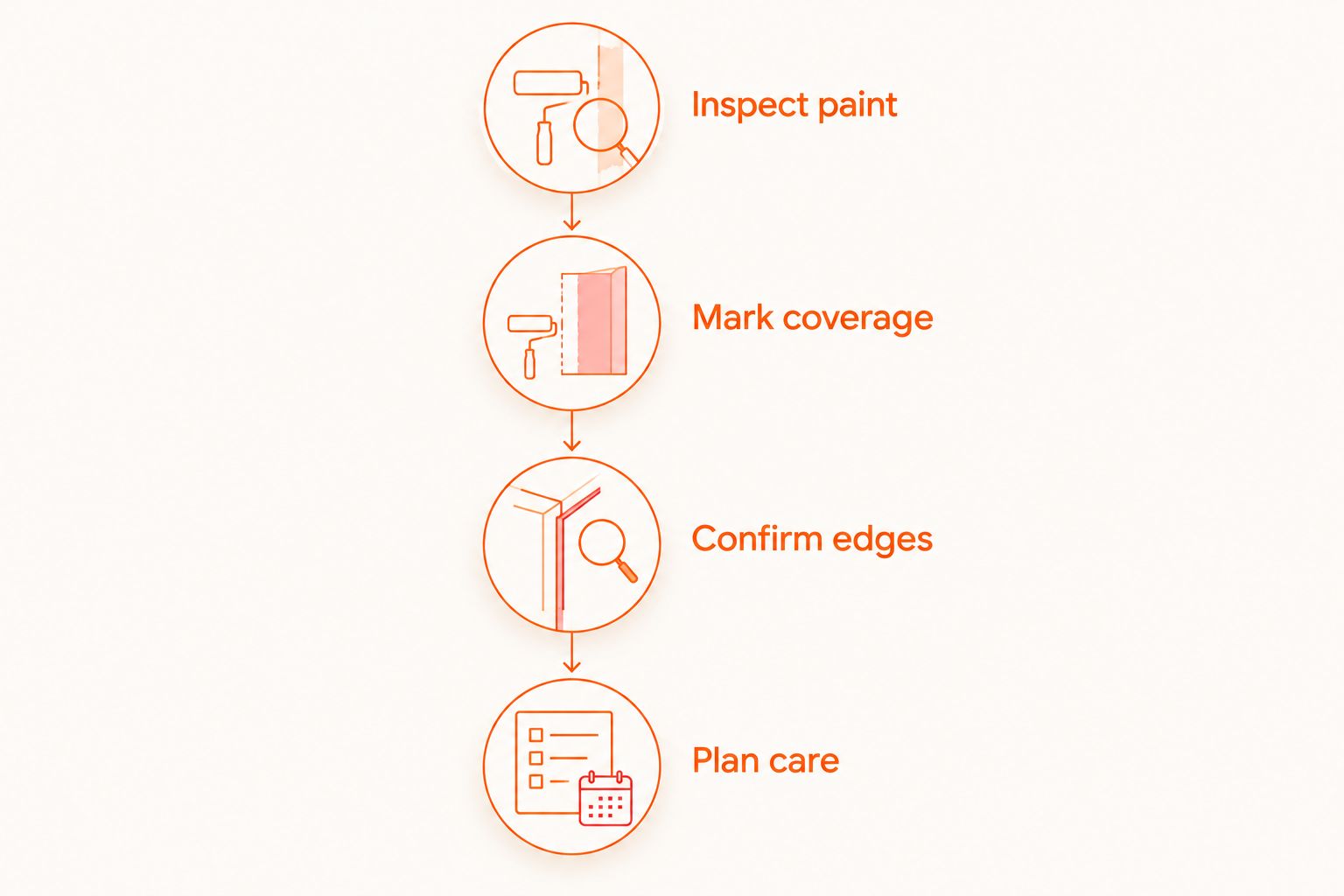
Turn the ranking into a written panel map
Before approving a 2026 installation, turn the preferred configuration into a surface-by-surface agreement. CoaterZ provides PPF services, but the useful comparison is the proposed work on your vehicle, not an assumed package menu.
- Inspect paint: Identify chips, failing clear coat, repainted areas, and existing treatments.
- Mark coverage: Record complete panels and partial sections separately.
- Confirm edges: Discuss transitions, recesses, badges, and excluded surfaces.
- Plan care: Obtain instructions for washing, contamination removal, and inspection.
Ask separate questions about protection claims. UV resistance, stain resistance, self-healing behavior, and warranty terms depend on the specified film and applicable documentation; none follows automatically from coverage area.
Salt residue and road grime still need removal after installation. Follow the film's care instructions, avoid directing pressure into exposed edges, and discuss persistent contamination with the installer rather than using an unapproved abrasive treatment.
How the coverage ranking works
This ranking compares configurations by the extent of exterior painted-panel coverage. It is not a film-brand test, a durability ranking, or a claim that every installer uses the same package definitions.
The recommendation uses a different decision: full-front PPF is the default for front-focused protection because it covers complete front panels without making whole-body coverage the starting assumption. Surface compatibility, boundary placement, and your actual wear zones then determine whether to expand or narrow that scope.
Which PPF coverage package should you choose?
Start with full-front PPF, then add coverage only where your vehicle use justifies it. Choose full-body PPF when protection across exterior painted panels is the objective. Choose extended-front coverage when specific side or loading zones matter alongside the front end.
For a 2026 comparison, put competing proposals beside the same marked panel map. Differences in coverage then become visible without relying on package names. Keep installation details and maintenance requirements in the decision, not just the number of panels listed.
FAQ
What’s the best PPF coverage package for a daily driver?
Full-front PPF is the default recommendation for a daily driver focused on front-end protection. Confirm complete hood, front-fender, and bumper coverage, then discuss mirrors and other adjacent surfaces separately.
Is full-body PPF better than full-front PPF?
Full-body PPF covers more exterior painted surface than full-front PPF. Choose it when doors, rear panels, and other painted areas are part of your protection objective; it does not automatically include glass, trim, or undersides.
What does an extended-front PPF package include?
An extended-front PPF configuration combines full-front coverage with selected additional wear zones. Rocker panels, lower doors, and loading areas are possible discussion points, not guaranteed inclusions.
Can you see the edge of partial-front PPF?
Partial-front PPF creates a boundary where the film ends on a partly covered panel. Ask to review its placement on your vehicle because visibility depends on the installation, surface, and viewing conditions.
Does PPF replace ceramic coating or undercoating?
PPF does not replace ceramic coating or undercoating. These treatments have different purposes and surface requirements; choose each according to the protection problem you need to address.
Can PPF go over repainted panels?
Repainted panels require an individual suitability assessment before PPF installation. Discuss the repair, paint condition, and applicable product guidance rather than assuming every repaired surface is ready for film.
Does CoaterZ install paint protection film in Tampa Bay?
CoaterZ provides automotive paint protection film services for vehicle owners in the Tampa Bay and Florida Gulf Coast area. Confirm the panel scope, specified film, surface preparation, and care instructions for your vehicle.
One last thing
A complete hood with an exposed bumper is not a complete front-end plan. Read the proposal by surface, not by its headline. Before approving work, point to each included panel and each deliberate exclusion; that simple review makes the coverage decision concrete.