

Best overall: professionally installed ceramic coating for easier paint maintenance. Best for highway exposure: paint protection film with a compatible ceramic coating. Best for hands-on owners: a consumer ceramic coating applied under controlled conditions. This 2026 guide compares these approaches for white and silver cars, including where a ceramic spray belongs.
- The best ceramic coating for white cars starts with sound paint preparation, not a color-specific label.
- CoaterZ provides professional ceramic coating services for Florida Gulf Coast vehicle owners.
- Paint protection film addresses road impacts; ceramic coating supports easier cleaning. They perform different jobs.
- Silver paint still needs inspection for contamination, application residue, and water spots.
Why this matters
White paint makes orange contamination and dark road film conspicuous. Silver can make fine defects harder to spot, but hiding a defect is not removing it. Neither color makes ceramic coating maintenance-free.
CoaterZ is best suited to Florida Gulf Coast owners seeking professional ceramic coating installation rather than DIY application. For owners in Palm Harbor, Lutz, and Sarasota, CoaterZ provides ceramic coating and paint protection film services. Choose the treatment around your vehicle’s exposure and existing finish, not paint color alone.
In 2026, the decision remains practical: easier washing, impact protection, or a project you maintain yourself. Florida sun, coastal salt exposure, and road debris require different responses. One surface treatment does not solve all three.
What makes the best ceramic coating for white cars?
- Surface compatibility: The coating must suit the actual surface: glossy clear coat, matte paint, existing film, or another finish.
- Paint preparation: Remove contamination and assess defects before sealing the surface. Coating does not correct damaged paint.
- Application control: Lighting, temperature, humidity, leveling, and curing must follow the selected product’s instructions.
- Maintenance fit: Choose a system whose washing and aftercare requirements match how you use the car.
- Protection scope: Separate easier cleaning from resistance to stone impacts. Ceramic coating is not a replacement for film.
Ask for the exact coating identity and its written instructions before approving installation. A broad description such as ceramic or graphene does not establish compatibility, curing requirements, or protection against a particular hazard.
Ceramic coating options at a glance
| Option | Best for | Standout benefit | Key limitation |
|---|---|---|---|
| Professional ceramic coating | Owners prioritizing preparation and installation | Professional application instead of owner application | Still requires washing and does not stop rock chips |
| PPF with compatible coating | Highway-driven white and silver cars | Combines an impact barrier with a coated surface | Film and coating compatibility must be confirmed |
| Consumer ceramic coating | Experienced hands-on owners | Direct control over preparation and application | Application residue can require corrective work |
| Ceramic spray maintenance | Owners prioritizing simple upkeep | Straightforward surface maintenance when compatible | Not interchangeable with a dedicated coating |
These are service and treatment approaches, not a ranking of named chemical products. The right choice depends on paint condition, exposure, and your willingness to follow the maintenance instructions.
1. Professional ceramic coating: best for managed installation
Professional ceramic coating puts preparation and application in the hands of an installer. The coating creates a treated surface that can make contamination easier to release during washing, depending on the selected formulation and its condition.
For white paint, ask the installer to distinguish embedded contamination from discoloration or existing damage. For silver paint, request inspection under varied lighting so subtle application residue does not disappear against metallic flake.
Professional ceramic coating pros:
- Keeps surface assessment, preparation, and application within one installation process.
- Removes the need for you to manage coating leveling and curing.
- Lets you discuss paint correction before coating rather than afterward.
Professional ceramic coating cons:
- Does not provide a physical barrier against stone impacts.
- Does not eliminate water spotting or the need for careful washing.
Best for: Owners who want professional installation and a defined aftercare routine.
CoaterZ offers ceramic coating services, but the selected coating’s specifications must determine the final scope. Request the product name, approved surfaces, cure instructions, and written maintenance requirements; do not treat general service descriptions as product-specific promises.
Verdict: Buy professional installation when preparation and application are jobs you want handled for you.
2. PPF with compatible coating: best for highway exposure
Paint protection film places a physical layer over covered panels. A ceramic coating approved for that film can add surface properties that support easier cleaning, but the film remains the component intended to address road impacts.
For a white or silver daily driver, discuss exposed painted areas rather than assuming every panel needs the same treatment. The bumper, hood, mirrors, and other surfaces experience different contact and debris patterns.
PPF with compatible coating pros:
- Addresses impact exposure in a way coating alone does not.
- Allows protection to follow the vehicle’s actual use.
- Combines film protection with a compatible surface-maintenance treatment.
PPF with compatible coating cons:
- Film edges and seams require careful cleaning.
- Coating suitability must be checked against the specific film’s instructions.
Best for: Owners who regularly encounter road debris and want easier exterior maintenance as well.
Start with the areas you need protected, then discuss the coating. The distinction explained in whether paint protection film can stop highway rock chips matters because coating alone is not chip protection. No film makes paint immune to every impact.
For a 2026 installation, record which panels receive film and which receive coating directly on paint. That record helps you select compatible cleaning products later.
Verdict: Buy the combined approach when road impacts are a primary concern, not merely easier washing.
3. Consumer ceramic coating: best for experienced DIY owners
A consumer ceramic coating lets you handle preparation, application, and aftercare yourself. The responsibility includes identifying suitable surfaces and following the manufacturer’s environmental and curing instructions.
White and silver paint demand deliberate inspection. Residue that is difficult to see during application can become obvious when the car moves into different lighting.
Consumer ceramic coating pros:
- Gives you direct control over preparation and application.
- Suits owners already comfortable with careful paint maintenance.
- Lets you work through the vehicle methodically within the product’s instructions.
Consumer ceramic coating cons:
- Missed residue can require polishing or other corrective work.
- Unsuitable application conditions can compromise the result.
Best for: Experienced owners with a suitable workspace, lighting, and time for the full process.
Inspect the finish under 2 lighting conditions: diffuse light and a focused inspection light. This is an inspection recommendation, not a coating specification. Check application residue from several viewing angles before moving on.
Follow the product’s working-area instructions rather than copying another coating’s method. Work on 1 panel at a time only when the selected instructions permit it; some products require smaller sections.
Verdict: Hold until your workspace, preparation skills, and application conditions meet the product requirements.
4. Ceramic spray maintenance: best for straightforward upkeep
Ceramic sprays can serve as maintenance treatments or standalone surface protectants, depending on their instructions. The ceramic label does not make every spray equivalent to a dedicated coating.
Use a spray only when it suits the underlying paint, coating, or film. Layering unrelated products can change surface behavior and complicate the diagnosis of streaking or poor water shedding.
Ceramic spray maintenance pros:
- Fits into an owner-managed cleaning routine.
- Provides a maintenance option when the underlying system permits it.
- Avoids a dedicated-coating installation process when that is not your goal.
Ceramic spray maintenance cons:
- Does not replace paint correction or contamination removal.
- Product claims and application methods vary; the category name proves little.
Best for: Owners seeking manageable upkeep rather than a substitute for professional coating or film.
For 2026 maintenance, keep the selected product’s instructions with your vehicle-care supplies. Do not add a topper simply because water beads look different after a wash; inspect the surface and follow the underlying system’s guidance first.
Verdict: Buy for compatible maintenance; skip it as a replacement for impact protection.
Prepare white and silver paint before choosing protection
Paint condition comes before coating selection. A new car can still need contamination removal, while an older car does not automatically need aggressive polishing. Inspection determines the work.
Ask for an assessment of 3 sample panels: the hood, a door, and a lower body panel. These give you a practical starting point for discussing horizontal exposure, visible finish quality, and road contamination without assuming the whole car has identical needs.
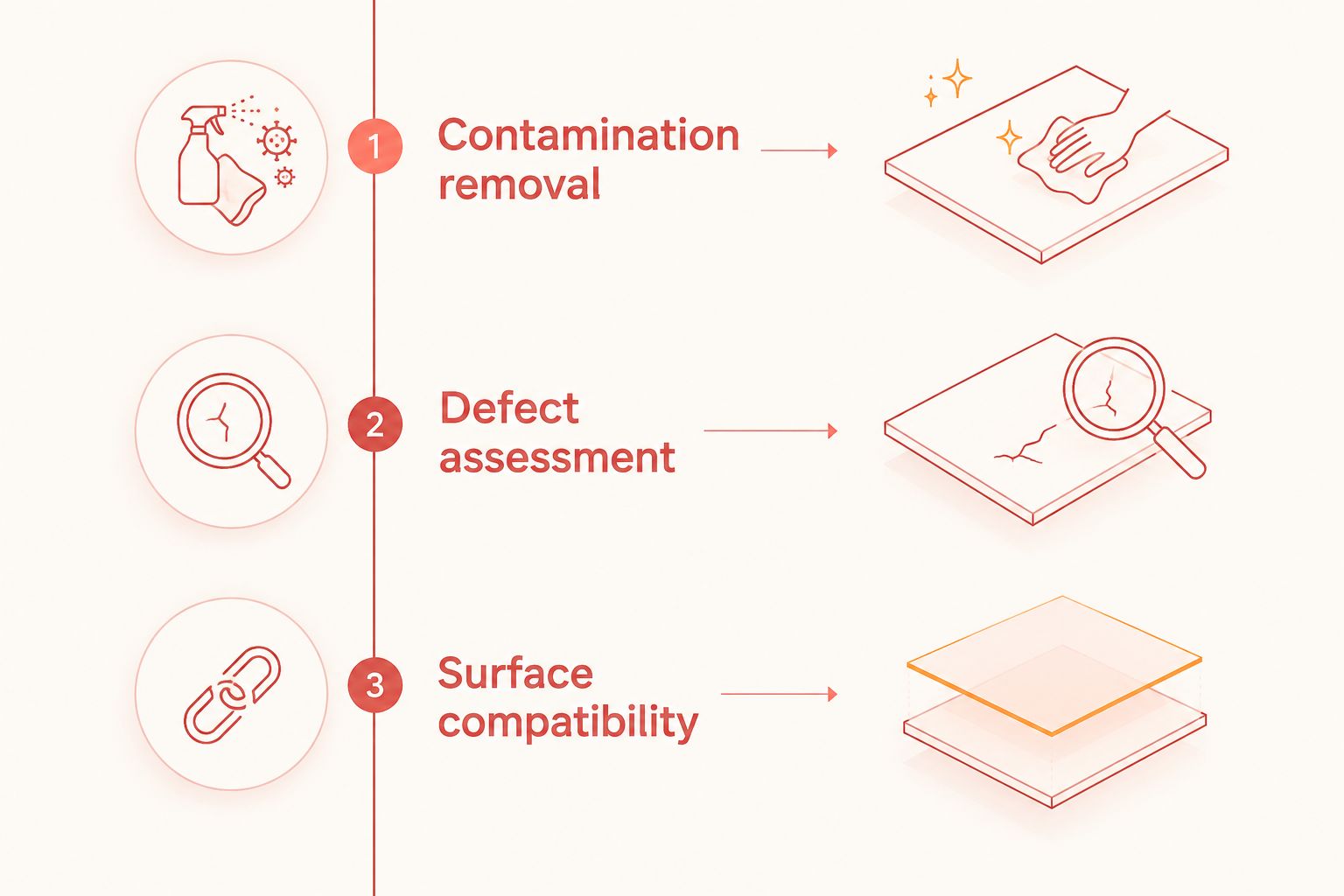
Contamination removal
Orange specks on white paint can indicate ferrous contamination, but not every mark has the same cause. Identify the problem before choosing a chemical or mechanical removal method. Use products approved for the affected surface.
Defect assessment
Coating does not remove scratches, etching, or failed clear coat. Decide which defects need attention before application, and avoid unnecessary polishing simply to satisfy a package description. Repainted panels also need their refinisher’s approval before treatment.
Surface compatibility
Glossy paint, matte finishes, vinyl wraps, and PPF require separate compatibility checks. A product intended to enhance gloss is not automatically appropriate for a matte finish. The same caution applies to polishing film or coated surfaces.
Florida maintenance: washing matters more than color
White and silver cars still need contamination removed promptly. Neither a pale finish nor a coated surface makes bird droppings, salt residue, or mineral deposits harmless.
Wash before buildup dictates the job. Follow the coating’s approved wash method, avoid washing hot panels, and dry the vehicle rather than letting rinse water evaporate. Water beading is a surface behavior, not permission to leave droplets sitting on the paint.
Claims about how long ceramic coatings last need to be read alongside preparation, exposure, and maintenance requirements; a stated duration is not a maintenance-free interval. Compare the selected product’s written conditions with how your car actually lives outdoors.
Coastal driving also calls for attention beyond the painted panels. Ceramic coating on exterior paint does not establish corrosion protection for the underbody, fasteners, or concealed areas. Discuss those surfaces separately instead of assuming one treatment covers the whole vehicle.
What to confirm before a 2026 installation
Bring questions that define the work rather than asking only which coating is strongest. CoaterZ ceramic coating discussions should identify the actual surface, intended result, and maintenance responsibilities.
- Preparation: Which contamination and defects need attention before application?
- Coverage: Which painted panels, trim pieces, or filmed surfaces are included?
- Compatibility: Is the selected coating approved for each surface receiving it?
- Handover: What restrictions apply before washing or exposing the finish to water?
- Aftercare: Which cleaning products and inspection procedures does the system require?
Keep written instructions rather than relying on a remembered conversation. Do not assume a warranty covers stone chips, water spots, or every environmental mark; read the actual terms associated with the selected installation.
How the options are ranked
Professional coating takes the default position for owners who want preparation and application handled by an installer. Film with compatible coating wins the highway-use slot because it adds a physical barrier. DIY coating and ceramic sprays serve different levels of owner involvement.
The criteria are surface compatibility, preparation, application control, maintenance fit, and protection scope—not bottle hardness claims or paint color alone. No product-specific lifespan or warranty ranking is implied.
Which ceramic coating option should you choose?
Choose professional ceramic coating for easier maintenance; add compatible PPF when road impacts are part of the problem. White and silver paint do not need a different protection strategy solely because they are light colors.
For a Florida Gulf Coast car in 2026, prioritize the condition underneath the treatment and the care you will give it afterward. Choose DIY only when you can meet the application instructions, and treat maintenance sprays as maintenance rather than a shortcut around preparation.
FAQ
What’s the best ceramic coating for white cars?
A professionally installed coating matched to the actual finish is the default choice for owners who want preparation and application handled for them. White paint alone does not establish which formulation is best.
Does silver paint need ceramic coating?
Silver paint does not require ceramic coating, but a suitable coating can support easier cleaning. Choose it for maintenance benefits, not because metallic paint is immune to contamination or damage.
Will ceramic coating stop rock chips on my white car?
Ceramic coating is not rock-chip protection. Paint protection film provides a physical barrier on covered areas, although it cannot prevent every impact from causing damage.
Can ceramic coating prevent water spots in Florida?
Ceramic coating does not guarantee freedom from water spots. Dry the vehicle after washing and follow the selected coating’s guidance for mineral deposits.
Can I ceramic coat a white car myself?
You can apply a consumer coating when the surface and working conditions meet its instructions. Preparation, lighting, residue removal, and curing all remain your responsibility.
Should I polish a brand-new silver car before coating it?
Polish a new silver car only when inspection identifies defects that warrant correction. Newness does not prove the paint is defect-free, but it also does not justify unnecessary polishing.
Can ceramic coating go over paint protection film?
Ceramic coating can go over PPF when the coating and film instructions approve the combination. Confirm compatibility rather than applying a paint-only product by assumption.
One last thing
Ask to inspect the finished car under different lighting before accepting the handover. Light paint can hide application residue; it cannot make that residue harmless. A careful inspection is more valuable than choosing a coating because its label mentions white or silver cars.